Art & Creative Prompting – Techniques, Ideas, and Inspiration for Midjourney
The Art of Prompting in Midjourney
Prompting in Midjourney acts like a creative brief to an AI collaborator. The clearer and more intentional your prompts, the closer the output aligns with your vision. A well-crafted prompt outlines not just the subject but the style, color, and mood—elements that define professional art. Just as traditional artists rely on composition and color theory, Midjourney users guide the AI by weaving these artistic principles into their text commands.
Understanding composition can help shape visually striking results. Simple tweaks like "centered composition" or "rule of thirds" can lead to more balanced outputs. Reference styles and artists by prompting: "in the style of Art Nouveau" or "inspired by Van Gogh." This transforms generic images into unique creations reflective of real art movements. The more descriptive and layered your prompts, the richer and more evocative the outputs become. Imagine building an entire visual scene through precise words—from the environment down to the texture of the brush strokes.
Even prompts as simple as "soft lighting" versus "dramatic lighting" can make a world of difference. This level of specificity pushes your results closer to professional artwork, allowing Midjourney to better reflect your creative intent. Experimenting with descriptive adjectives and referencing various periods of art history further enhances how the AI interprets and translates your ideas into imagery.
Foundational Art Techniques in Prompt Form
Prompting isn't just about what you want to see—it's about how you want it crafted. By incorporating foundational art techniques into your prompts, you elevate the quality of AI-generated art. The beauty of Midjourney lies in how adaptable it is to artistic disciplines, making it possible to blend techniques like shading, lighting, and perspective.
For example:
- Perspective – "dramatic low-angle view of a futuristic city, exaggerated scale"
- Shading – "portrait drawing, heavy cross-hatching, high contrast, moody atmosphere"
- Dynamic Lighting – "cinematic landscape, sunset backlighting, high dynamic range, shadows stretching across the field"
Example prompt:
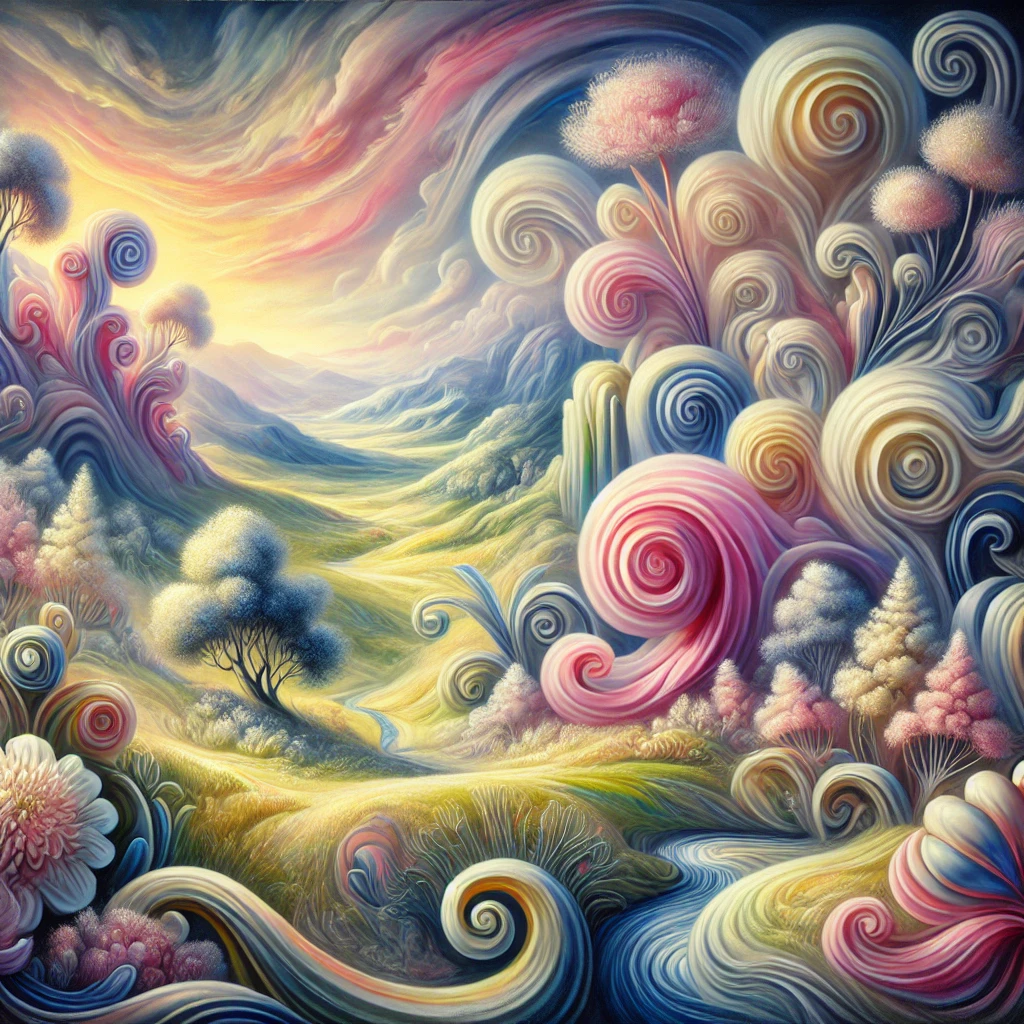
/imagine prompt: surreal landscape painting, strong chiaroscuro lighting, pastel color palette, wide-angle perspective, ethereal glow
Blending these art techniques introduces depth and emotion to the AI-generated piece, transforming simple descriptions into evocative visual narratives. This approach brings AI art closer to professional pieces that rival traditional techniques, creating work that feels curated and intentional.
Additionally, layering prompts with more technical aspects, like "Dutch angle" or "soft diffusion", can mimic real-world camera techniques, introducing even greater nuance and cinematic flair into the output.
Creative Use Cases
Midjourney opens the door for artists to brainstorm concepts, design storyboards, and develop original character designs. For instance, if you're ideating for a comic book, you might start with "dark fantasy character concept, cloaked warrior, glowing sword, misty forest background." Need to switch gears? Pivot to "same character, Pop Art style, vibrant, exaggerated colors, heavy outlines."
These subtle shifts in language allow you to experiment across mediums, adapting outputs to suit different projects—whether it's social media visuals, concept art, or branding materials. Artists frequently use this versatility to mock up drafts quickly, allowing for faster turnaround times in project development.
Midjourney can also be invaluable for branding. Imagine crafting a unique logo by prompting, "symbolic emblem design, gold leaf texture, Art Deco influence." Repeating iterations of this design allows for a thorough exploration of ideas, resulting in outputs that can fuel inspiration or become polished final products.
Improv & Random Prompt Generation
Sometimes, the best ideas come from accidents. Midjourney's random and improv generators provide creative sparks, producing results even the most skilled artists wouldn't anticipate. Embrace randomness with prompts like "abstract sculpture, unpredictable shapes, random color gradients, swirling forms." The key is to stay open to unexpected results and iterate from there.
Unexpected outputs often lead to breakthrough ideas, fostering styles that set artists apart. Many artists report these "happy accidents" become signature pieces or new project inspirations. Artists can also layer randomness into otherwise structured prompts, creating a hybrid workflow that bridges spontaneity with intention.
If you find a particularly unique output, you can refine the randomness by repeating part of the prompt while slightly modifying elements, guiding the AI toward a refined version of the initial surprise.
Prompt Walkthroughs
The language of prompting makes a world of difference. Here's a comparison:
Detailed Painting Prompt:
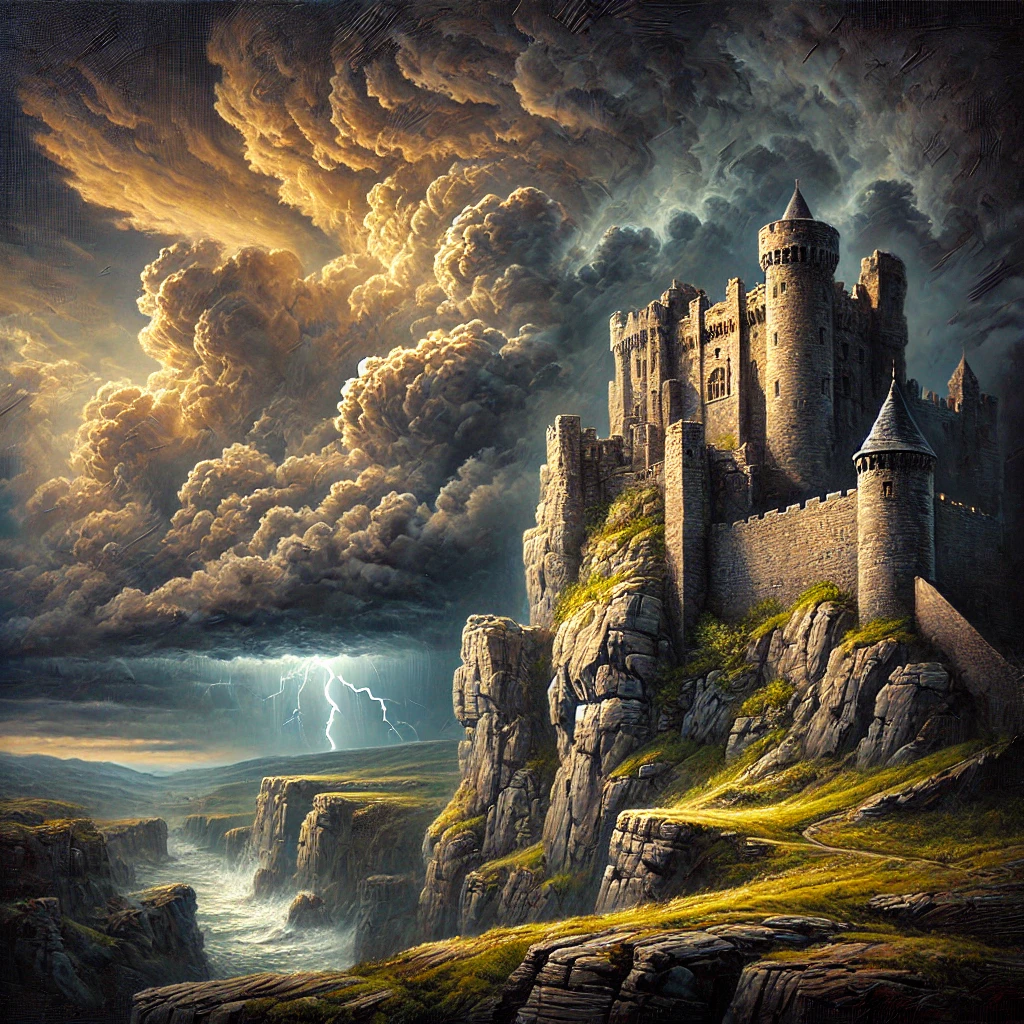
/imagine: oil painting of a medieval castle on a cliff, stormy sky, dramatic lighting, detailed texture, hyper-realistic, looming clouds, ancient architecture
Minimal Sketch Prompt:
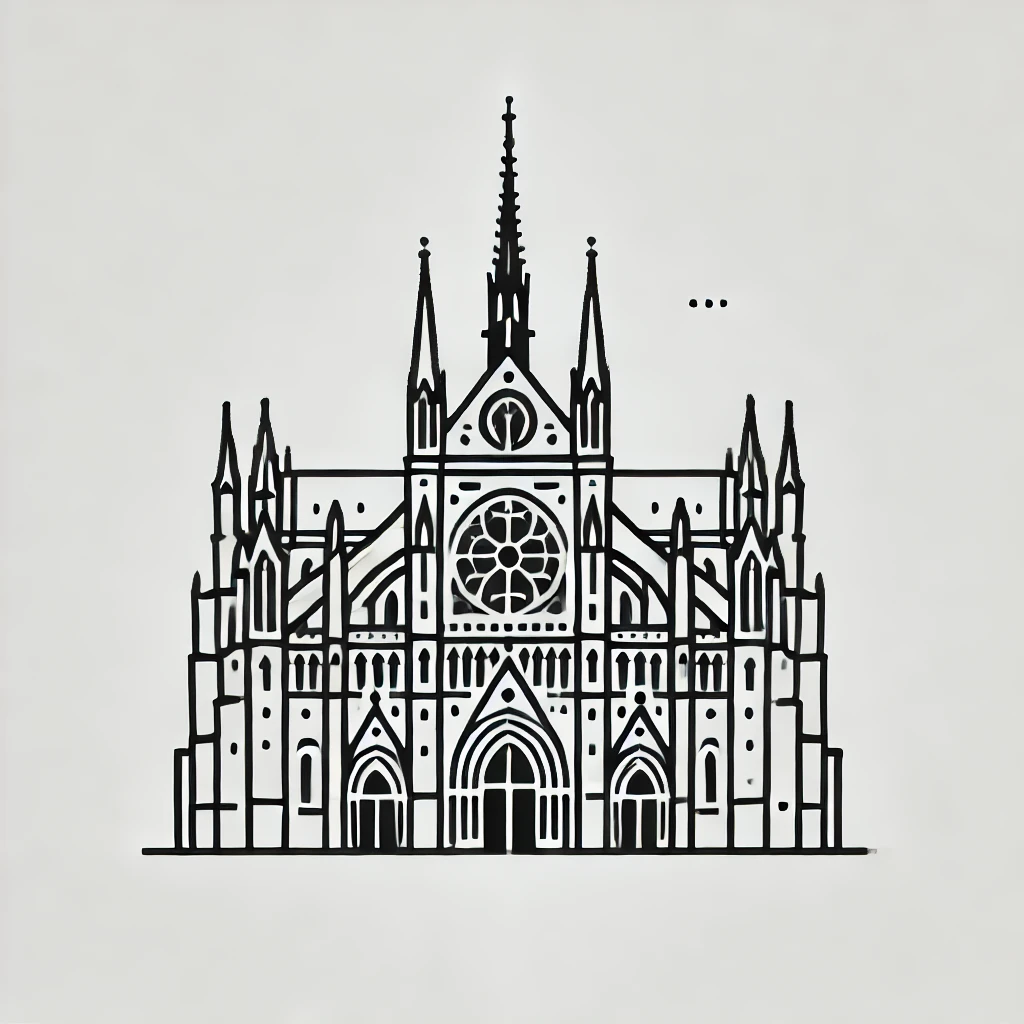
/imagine: minimalist line art, gothic cathedral, black and white, simple outlines, high contrast, sparse details, clean lines
Both describe architectural structures but lead to vastly different outputs because of the specificity in style, medium, and tone. Mastering this distinction allows users to better control the output and tailor it to their needs. Breaking down the elements by listing descriptors helps create clearer, more effective prompts.
Leveraging Your Midjourney Prompt Generator
For digital artists, combining attributes within prompts streamlines the creative process. By layering styles, mediums, and color palettes, users create prompts that consistently yield high-quality results. This technique enhances efficiency, letting artists generate batches of similar concepts or refine prompts until the desired look is achieved.
For example:
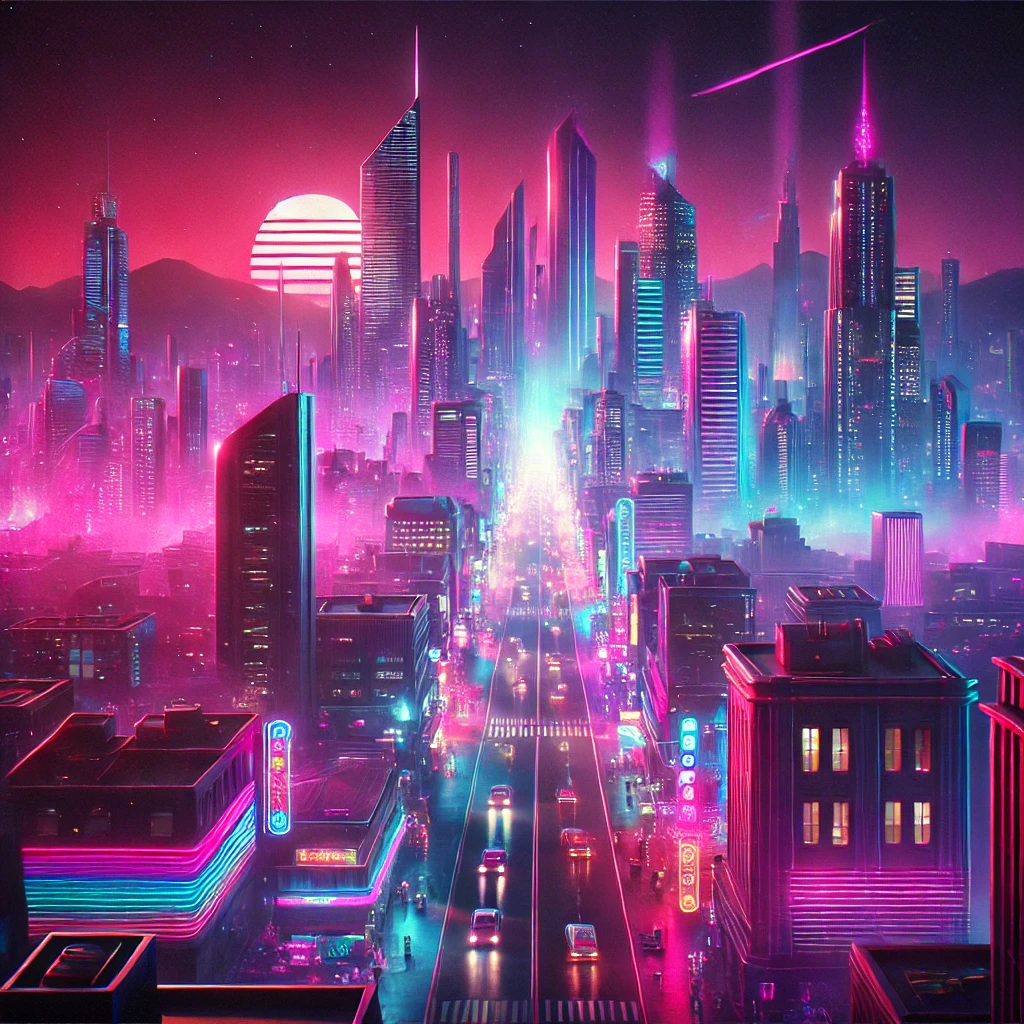
/imagine: retro-futuristic cityscape, synthwave color palette, sharp shadows, cinematic depth of field, neon accents
Generators that automate and customize these combinations allow for quicker experimentation, which ultimately leads to more polished work in less time. Artists can create prompt templates that include variables, switching just the key elements for diversified outputs in the same style.
Expanded Prompt Examples
1. Painting Styles:
- Classical Oil Painting
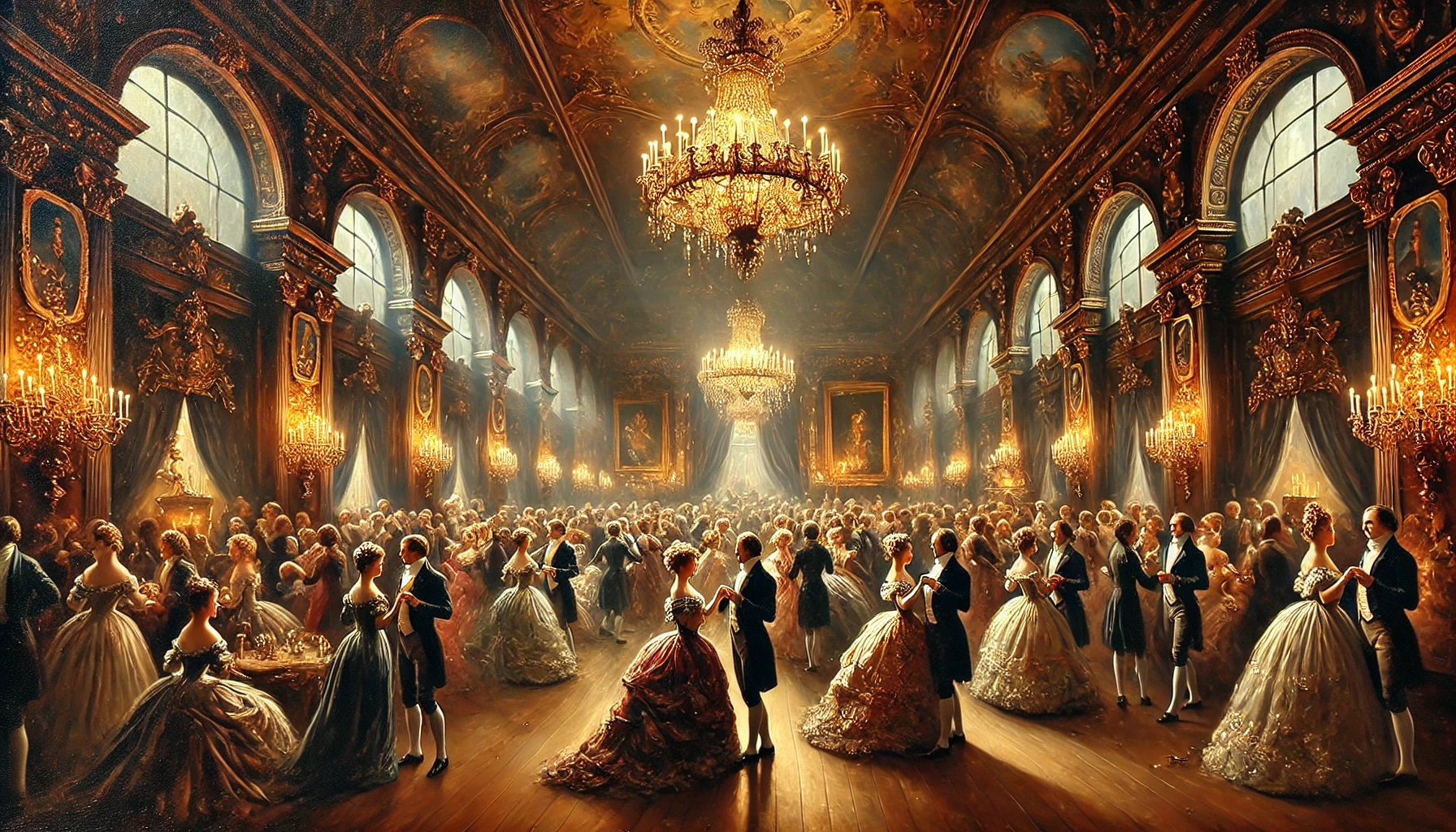
/imagine: oil painting of a Victorian-era ballroom, soft brush strokes, warm candlelight, intricate details, hyper-realistic, Rembrandt style
- Watercolor Landscape
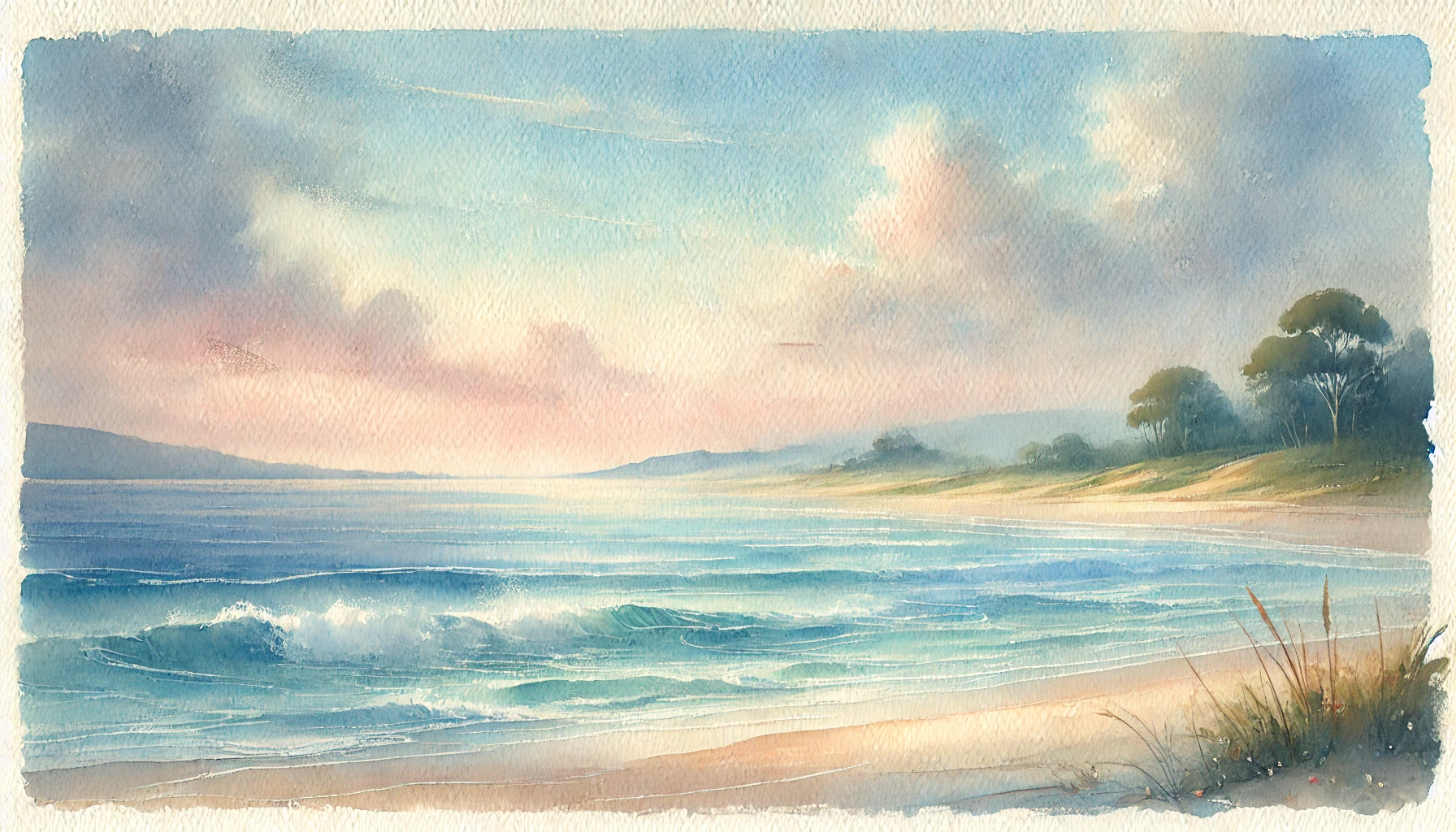
/imagine: serene coastal landscape, watercolor painting, soft pastels, flowing brush strokes, light washes, delicate texture
- Pop Art Portrait
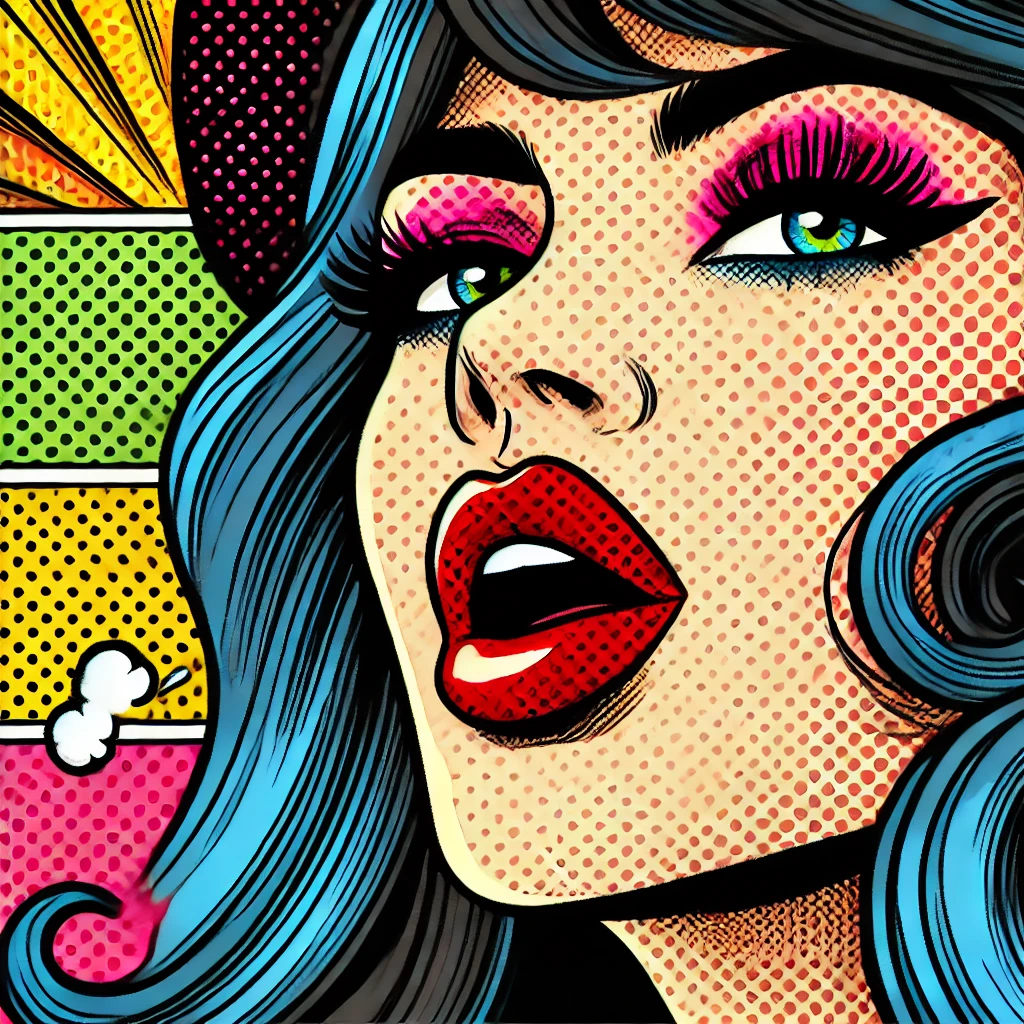
/imagine: bold portrait of a woman, pop art style, vibrant colors, heavy outlines, comic book halftone texture, Roy Lichtenstein inspired
2. Photography-Inspired:
- Cinematic Portrait
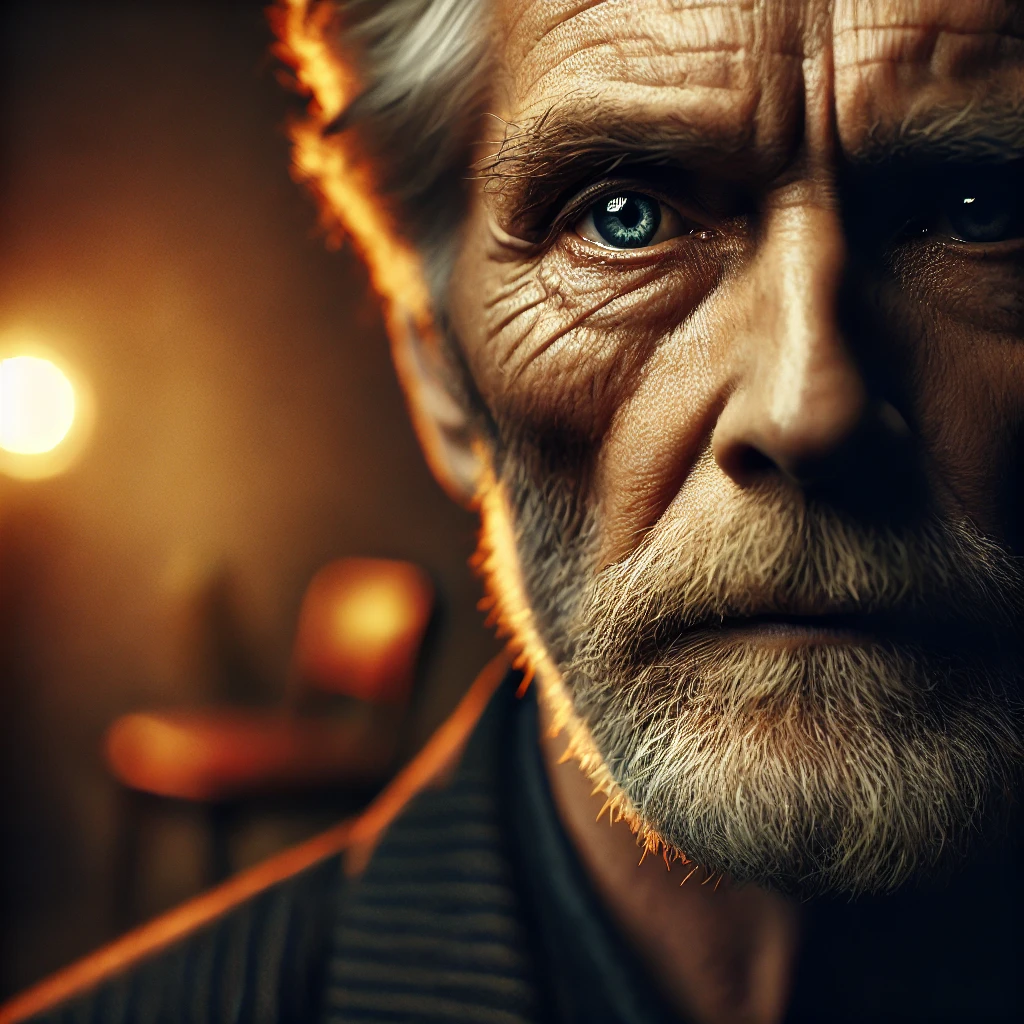
/imagine: dramatic close-up portrait of an old man, cinematic lighting, shallow depth of field, hyper-realistic, warm tones, moody atmosphere
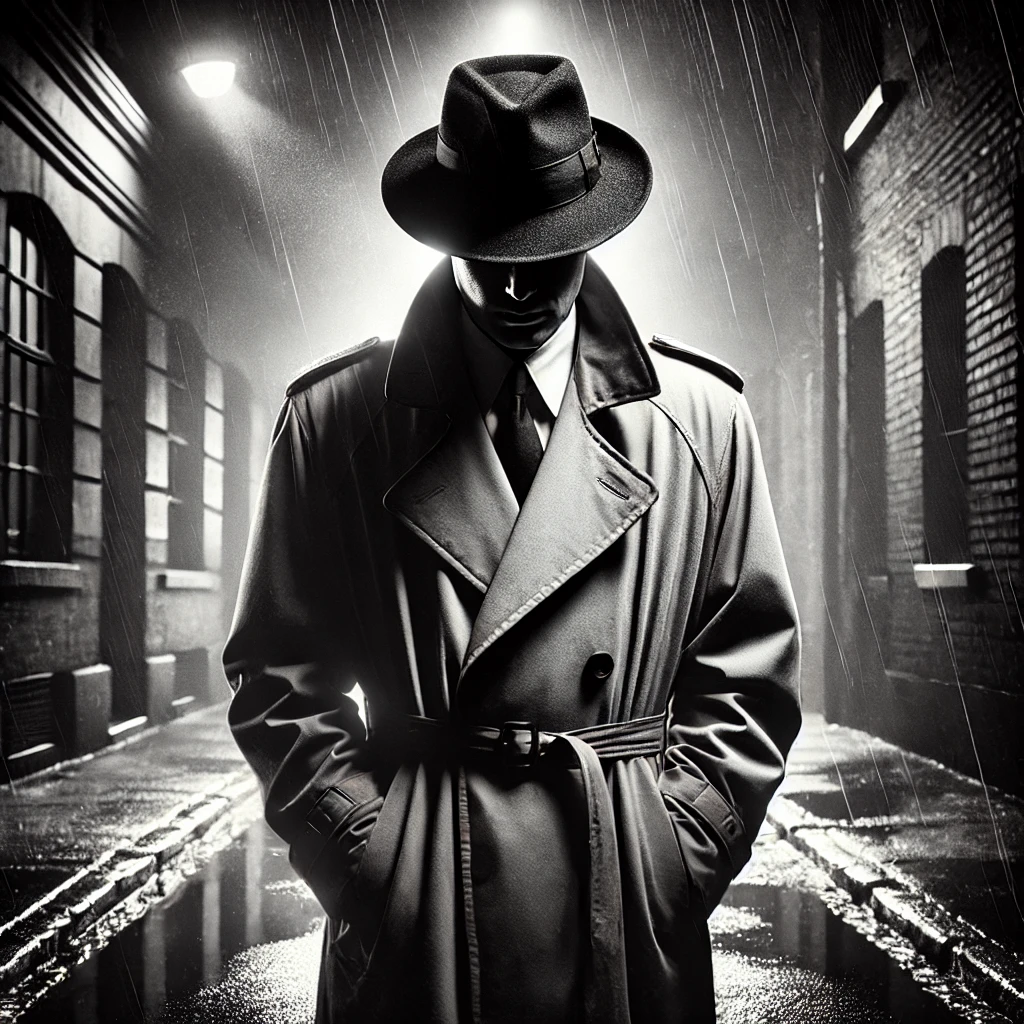
- Film Noir Scene
/imagine: 1940s detective in trench coat, black and white, high contrast, film noir, rainy alleyway, dramatic shadows
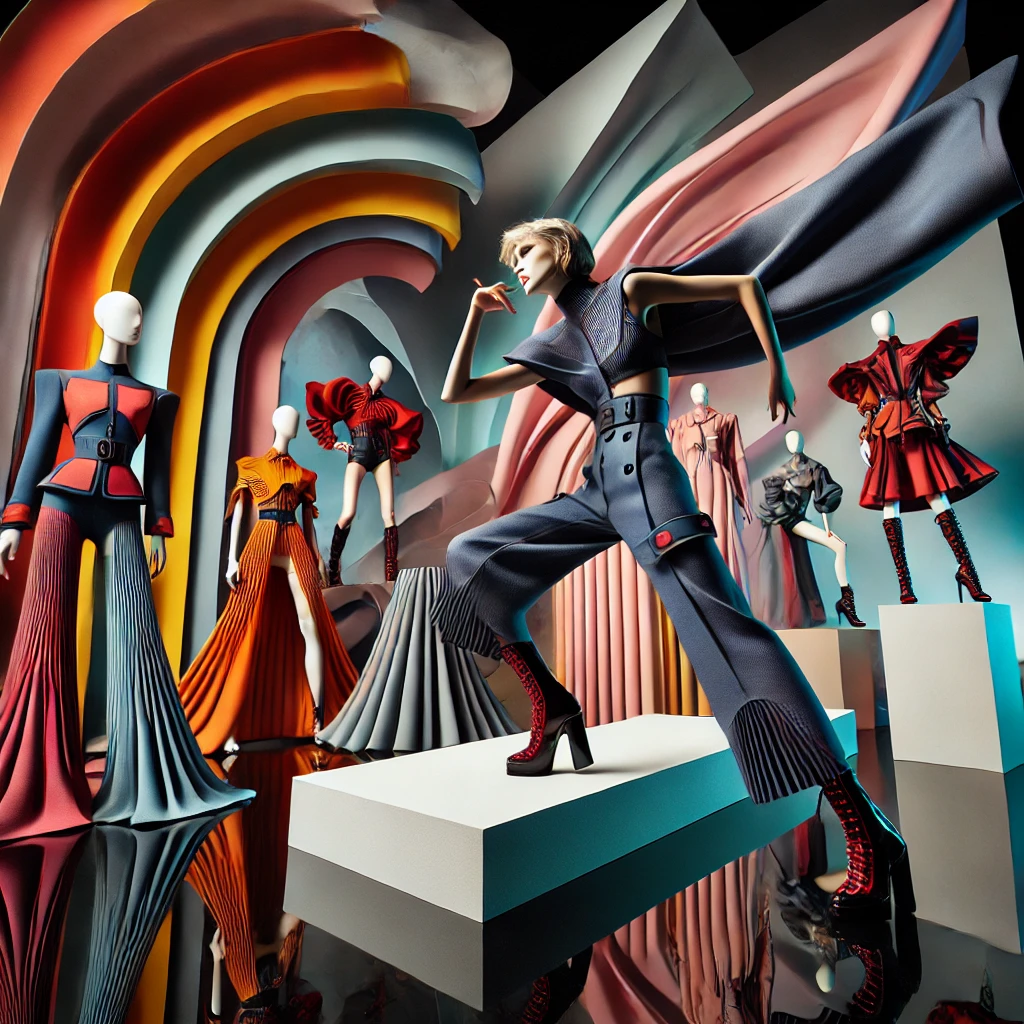
- Fashion Editorial
/imagine: avant-garde fashion model, surreal backdrop, bold colors, futuristic wardrobe, Vogue magazine style, highly stylized
3. Illustrations and Sketches:
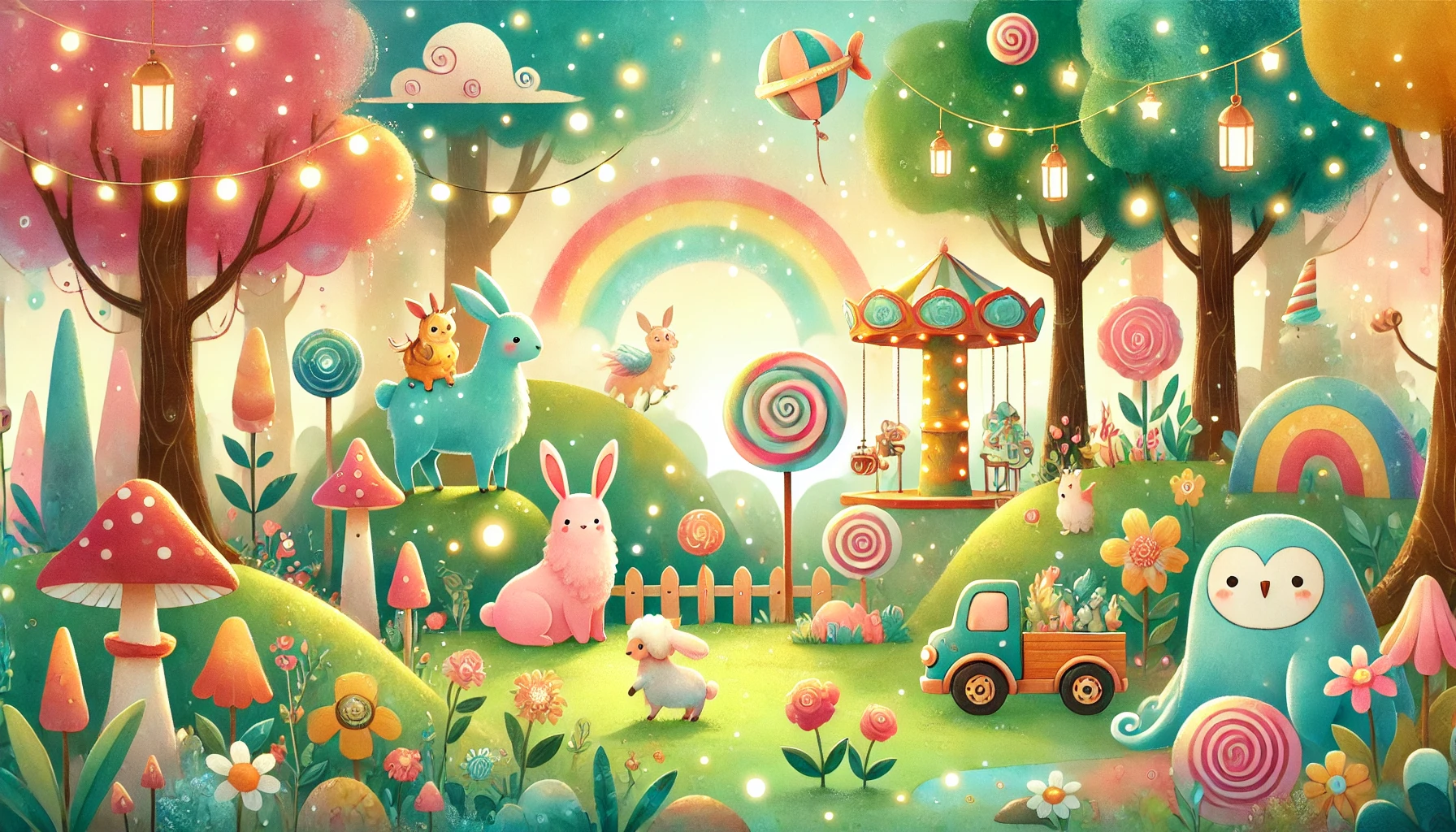
- Children's Book Illustration
/imagine: whimsical forest scene, bright and colorful, soft rounded edges, playful characters, fairytale atmosphere, watercolor texture
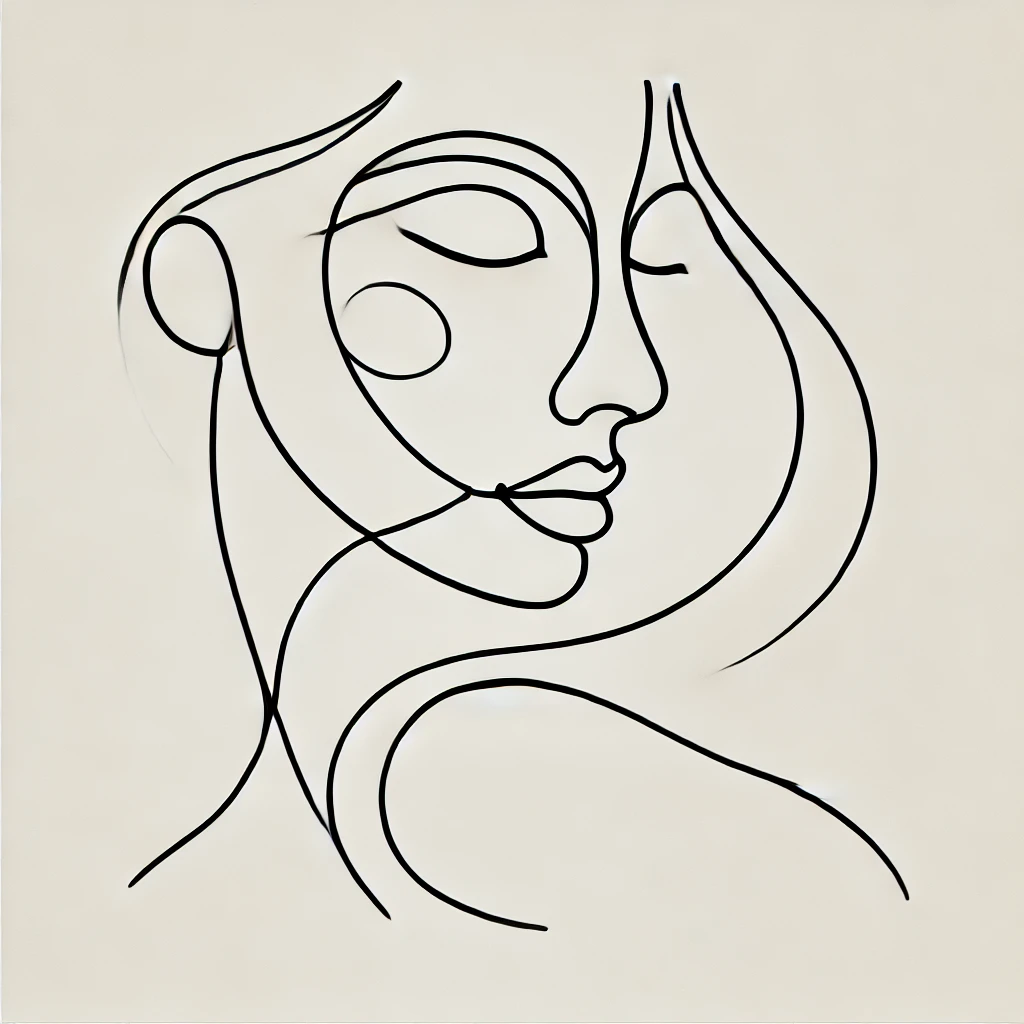
- Minimalist Line Art
/imagine: abstract line art of a woman's face, black and white, clean lines, minimalist, simple geometric patterns
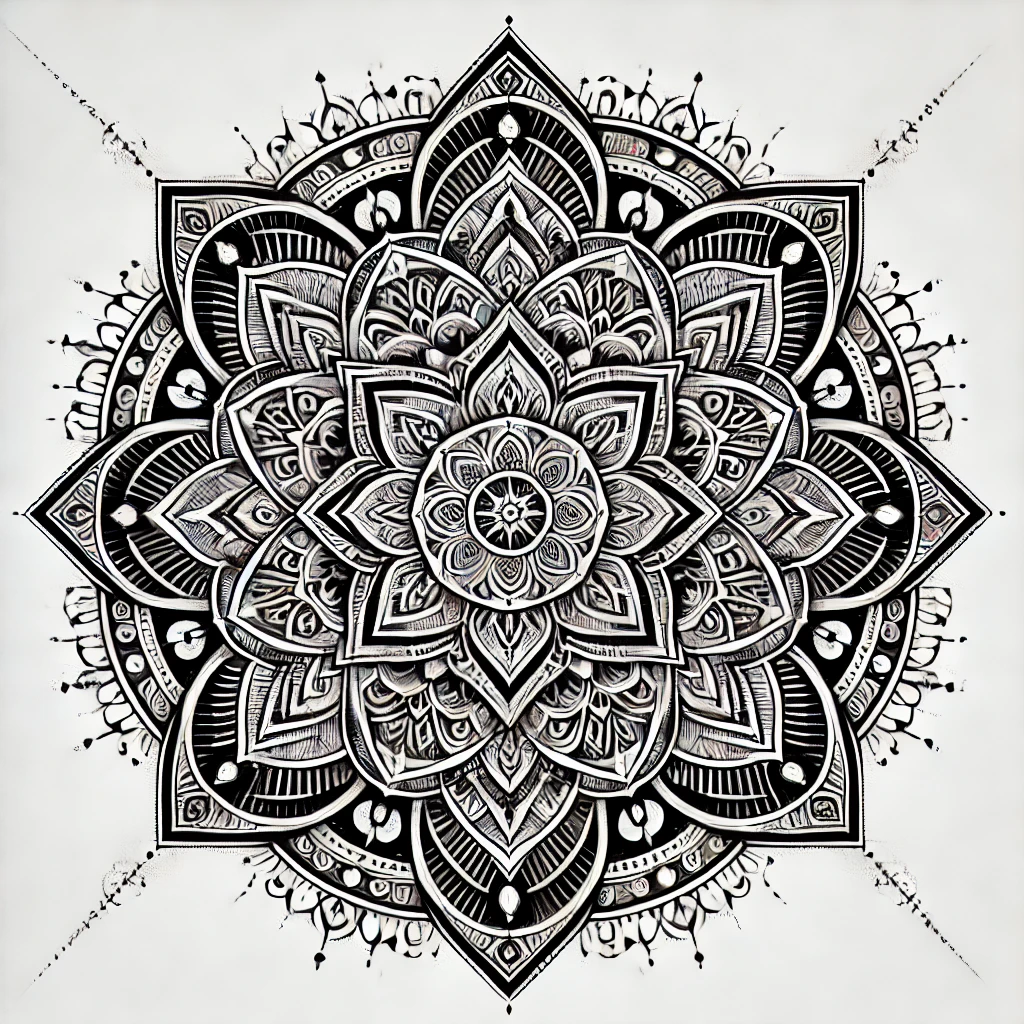
- Tattoo Design
/imagine: intricate mandala tattoo, symmetrical design, highly detailed, black ink, fine line, sacred geometry
4. Fantasy and Sci-Fi Concepts:
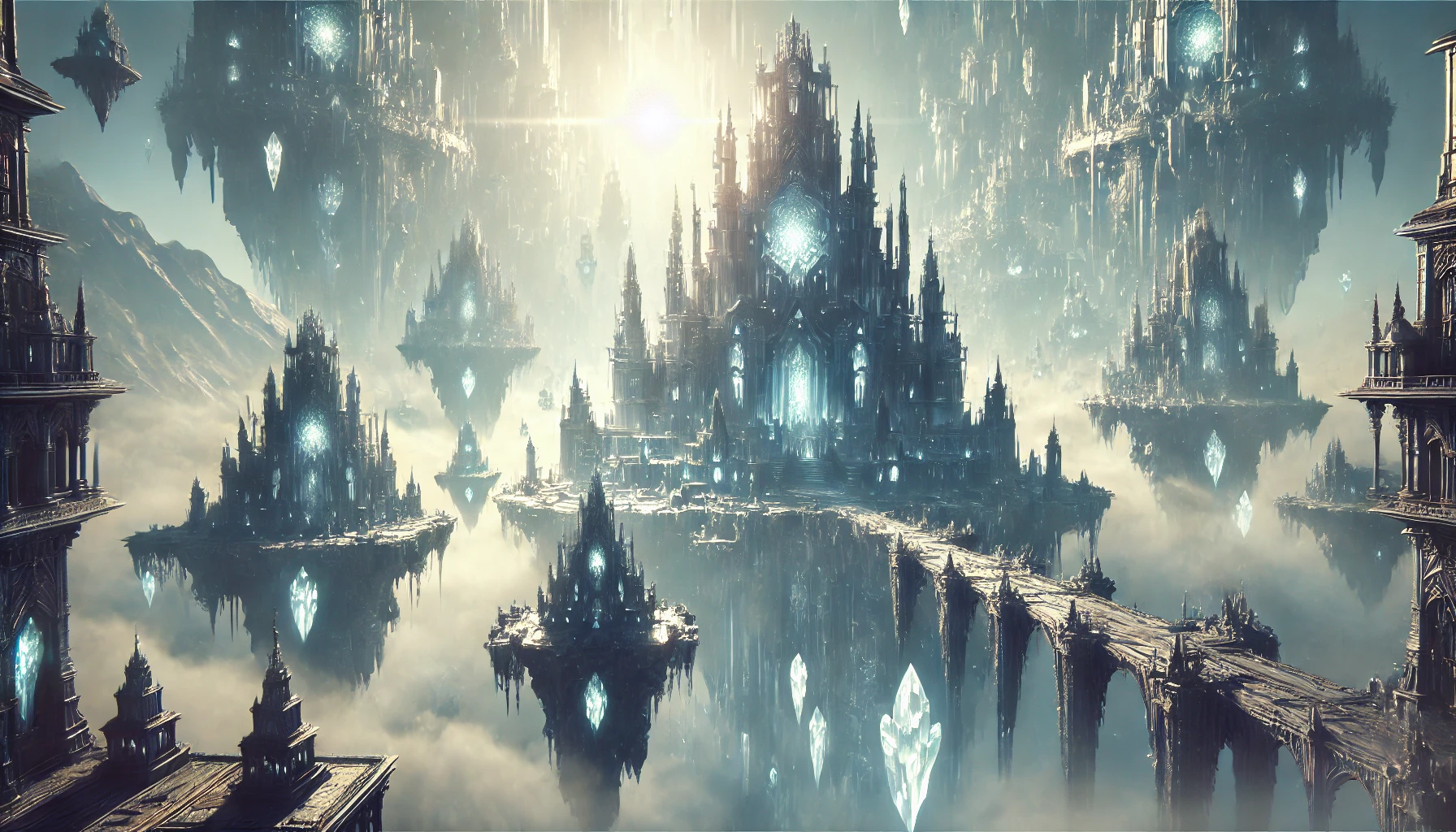
- Fantasy Worldbuilding
/imagine: ancient floating city, glowing crystals, epic scale, fantasy landscape, detailed architecture, ethereal atmosphere, cinematic view
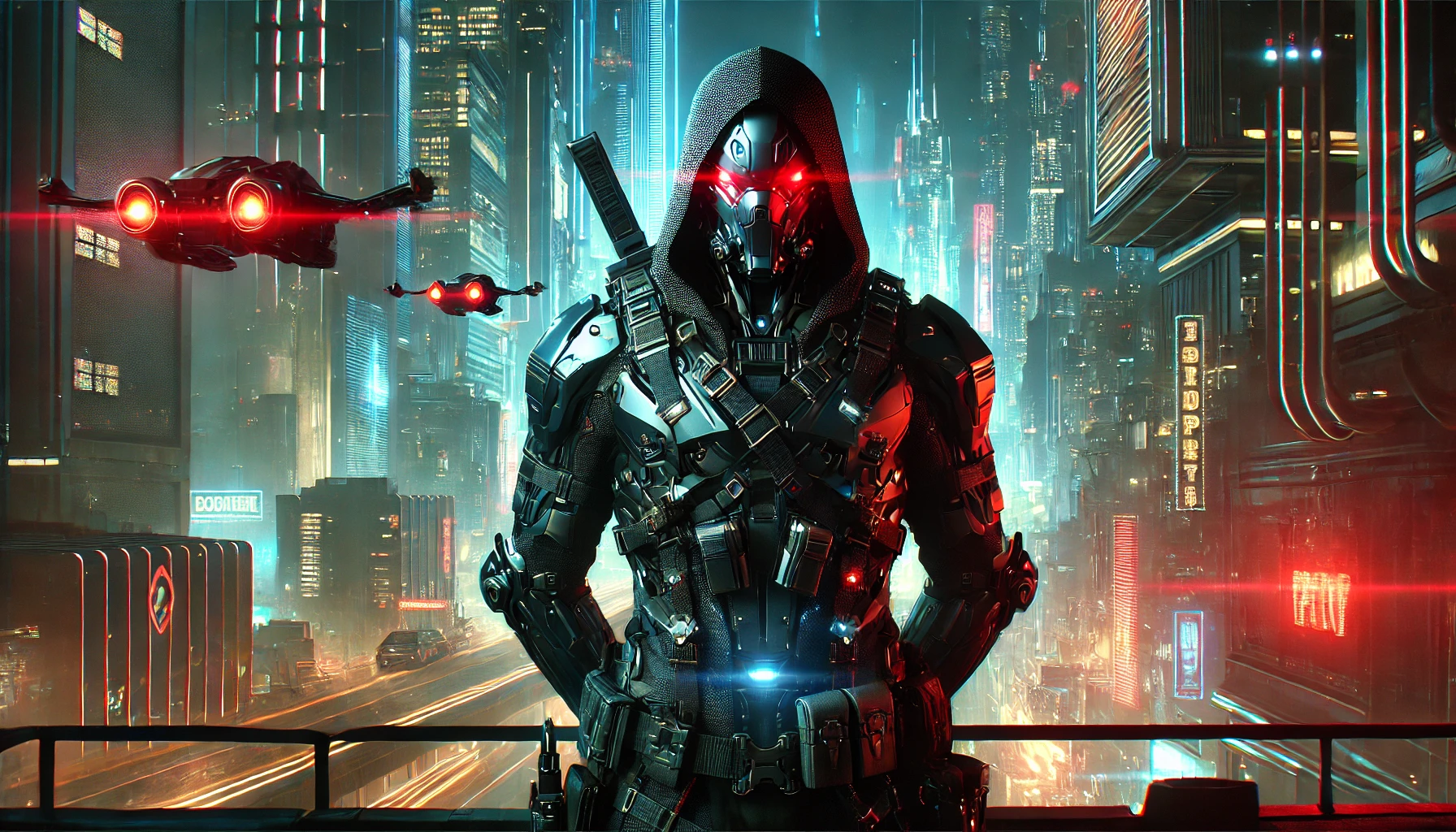
- Sci-Fi Character Concept
/imagine: cybernetic bounty hunter, sleek armor, glowing red eyes, futuristic city backdrop, concept art, high-tech gear
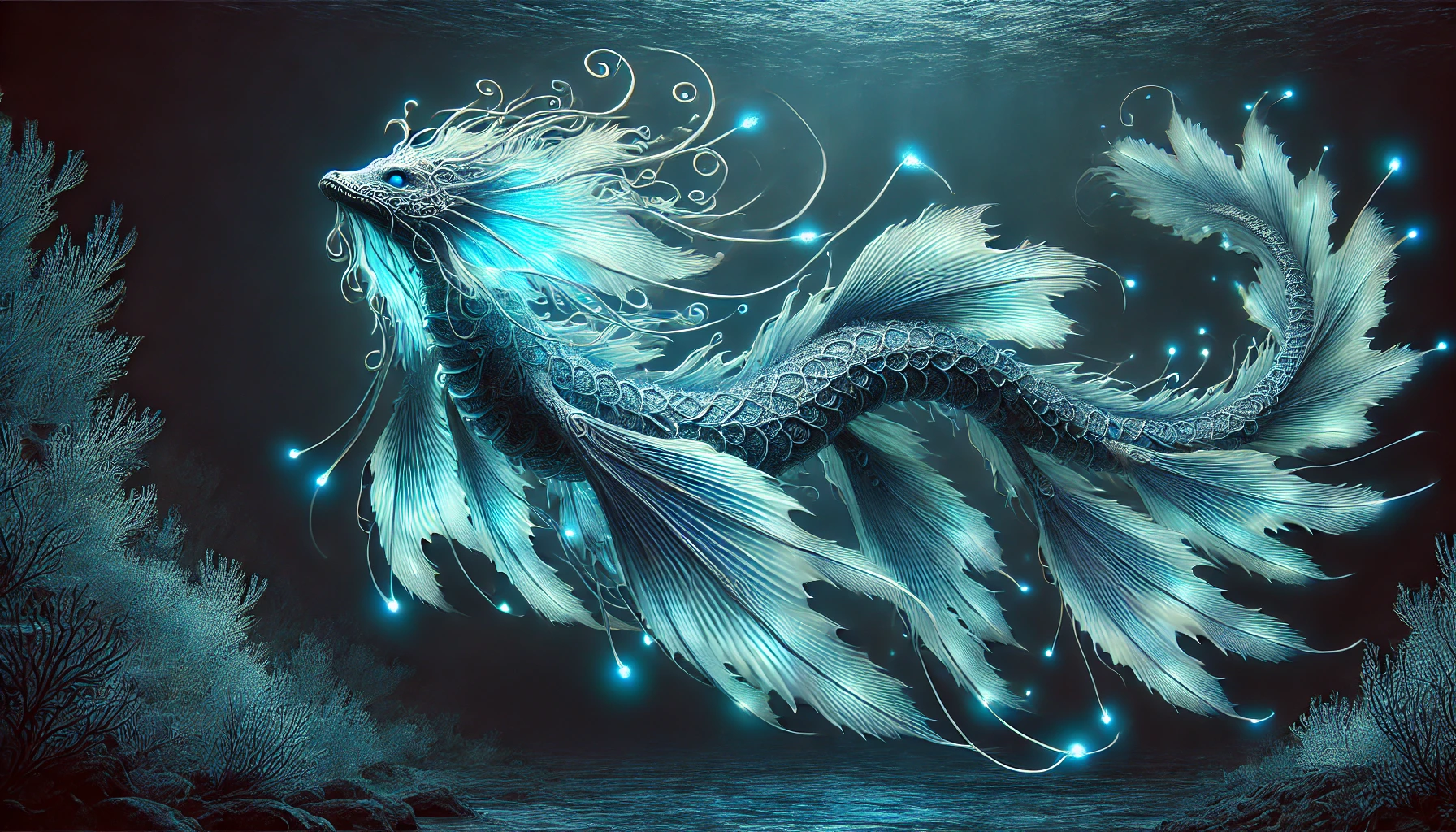
- Creature Design
/imagine: mythical sea creature, bioluminescent scales, detailed fins, surreal and otherworldly, inspired by deep-sea life
Conclusion
Mastering the art of prompting in Midjourney is a journey of continuous experimentation and refinement. By understanding and implementing artistic principles, technical elements, and creative techniques, you can transform basic prompts into powerful tools for generating professional-quality artwork.
The key to success lies in balancing structure with creativity, technical precision with artistic freedom. Whether you're a professional artist, designer, or creative enthusiast, Midjourney's capabilities expand when you approach prompting as both an art and a science.
Remember that the best results often come from:
- Combining multiple artistic techniques in single prompts
- Experimenting with different styles and approaches
- Being specific about artistic elements like lighting, perspective, and composition
- Staying open to unexpected results that might inspire new creative directions
As you continue to explore and refine your prompting skills, you'll develop your own signature style and workflow, pushing the boundaries of what's possible with AI-generated art.
Related Posts
TikTok AI Slideshow Ideas: How to Make Viral Slideshows with AI-Generated Images
The best TikTok AI slideshow ideas for 2026 — 10 viral formats, step-by-step guide to making AI image slideshows, and re...
What Is AI UGC? The Complete Guide for 2026
AI UGC meaning explained: what AI UGC is, how it works, the best AI UGC tools (HeyGen, Arcads, Creatify), and how to wri...
Seedance 2 Prompts: The Complete Guide with Examples (2026)
Seedance 2 is ByteDance's most capable AI video model — but prompt quality determines everything. This guide covers the ...