How to Write Prompts for Midjourney: A Guide to Generating Stunning AI Art
Writing prompts for Midjourney can feel like an art form in itself, blending creativity with technology to unlock limitless possibilities in AI-generated art. With just the right words, you can shape complex, visually stunning images that reflect your artistic vision and push the boundaries of digital design. Whether you're a digital artist, a graphic designer, or a creative professional exploring AI-driven art, understanding how to craft effective prompts can unlock stunning and unique outputs. By refining your prompt-writing skills, you not only increase the likelihood of creating breathtaking images but also gain greater control over the artistic direction Midjourney takes. With the right techniques, you can breathe life into abstract ideas, translate emotions into visuals, and consistently produce work that aligns with your vision.
Why Prompt Writing Matters
Midjourney is an AI art generator that transforms text prompts into high-quality images. Your ability to describe what you envision directly influences the output. Crafting the right prompt bridges the gap between imagination and AI-rendered art. Poorly written prompts can lead to generic or unrelated results, wasting time and causing frustration. By refining your ability to write precise and vivid prompts, you ensure that Midjourney accurately translates your creative vision into compelling imagery. Well-written prompts minimize randomness and allow Midjourney to generate art that mirrors your creative intent. By expanding your vocabulary and experimenting with descriptive techniques, you enable Midjourney to function less like a randomizer and more like an extension of your artistic voice. This seamless collaboration between human creativity and AI technology is the cornerstone of Midjourney's power.
Basic vs. Advanced Prompt Structure
Understanding the nuances of structuring prompts is essential to transforming abstract ideas into detailed, high-quality images. By mastering the art of structuring prompts, you enable Midjourney to follow a clearer path, significantly improving the precision and consistency of generated results. A well-crafted prompt acts like a blueprint, guiding the AI in specific directions, while a vague or underdeveloped prompt may yield inconsistent outputs. Learning the distinction between basic and advanced prompts empowers you to unlock greater levels of detail, artistic flair, and innovation.
Basic Prompts
These are simple and straightforward. While they convey the general concept, they often lack the nuanced direction needed for more refined outcomes.
Example:
"A forest in autumn, vibrant leaves, soft sunlight."
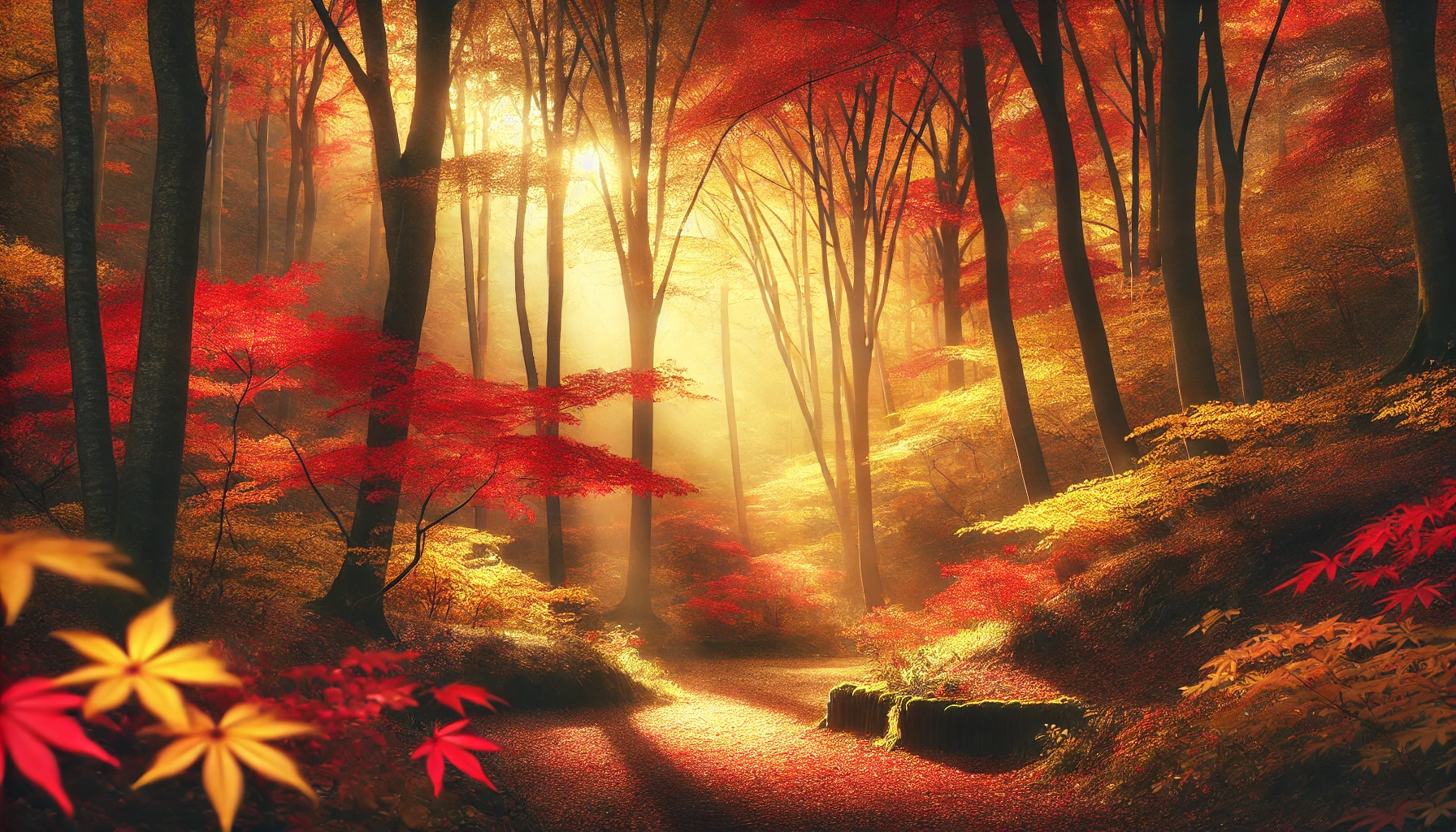
While this will generate an image, it may lack the finer details needed to truly match your vision. Basic prompts are excellent for quick idea generation but may not capture the full essence of the scene you imagine.
Advanced Prompts
Advanced prompts incorporate descriptive language, artistic styles, and references. They go beyond the basics by specifying textures, compositions, moods, and even camera angles.
Example:
"A mystical forest in autumn, soft golden light filtering through vibrant red and orange leaves, hyper-realistic, 4K resolution, inspired by Studio Ghibli."
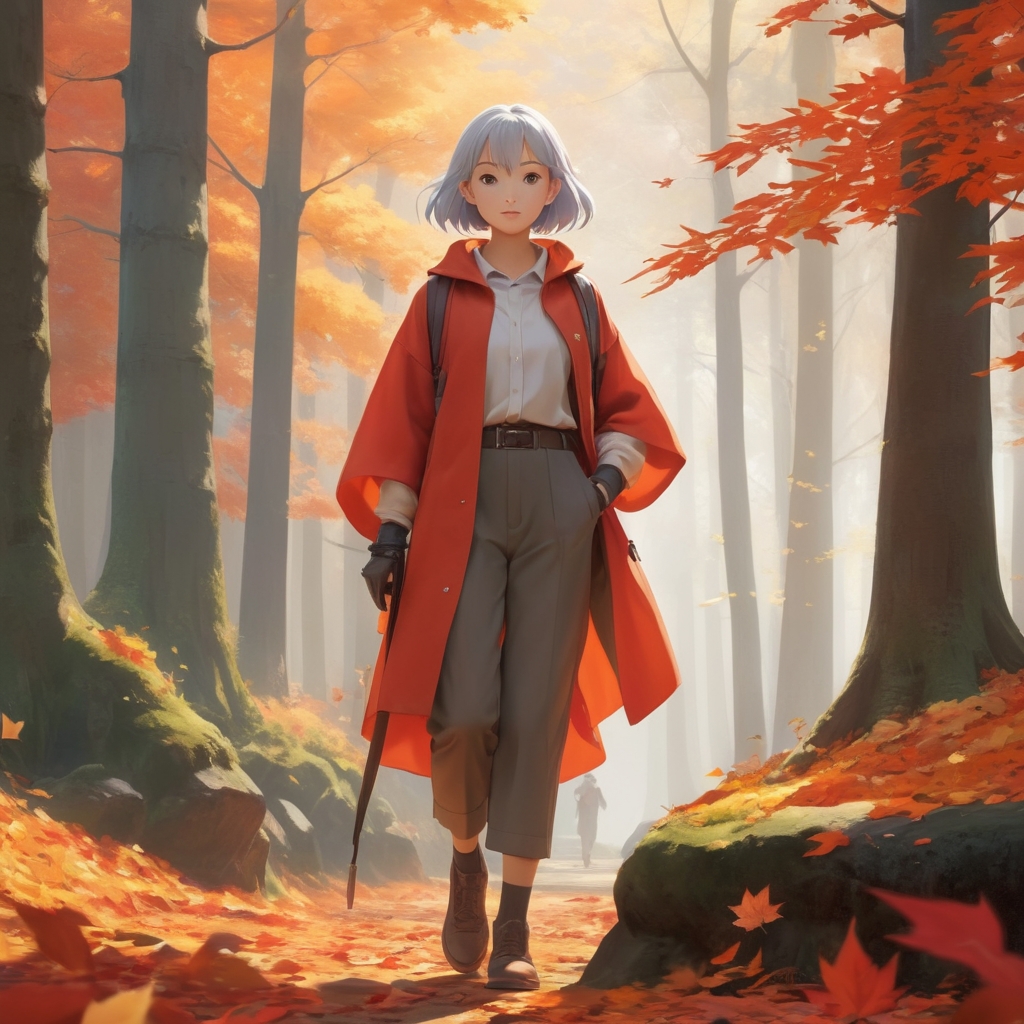
This version layers more context, yielding a richer result. Advanced prompts allow you to tap into Midjourney's full potential, using highly specific language to produce images that reflect depth, atmosphere, and storytelling.
Key Prompt Modifiers to Elevate Your Art
Modifiers are the secret ingredients to crafting stunning Midjourney outputs. These elements fine-tune the AI's interpretation of your prompt by adding stylistic and technical details that guide how the image is generated. They shape everything from texture and color to perspective and lighting, allowing you to control the mood, complexity, and artistic direction of the final result. These additions allow you to inject character and flair into your creations, pushing the AI to interpret your prompt with a stronger sense of style and technique.
- Artistic Styles: Add phrases like "surreal," "cyberpunk," or "impressionist." These descriptors direct Midjourney to adopt particular artistic approaches, altering the image's overall aesthetic.
- Lighting: Specify "soft glow," "dramatic shadows," or "neon-lit." Lighting dramatically influences mood and can transform even the simplest prompts into cinematic masterpieces.
- Mediums: Try "oil painting," "digital illustration," or "watercolor." This influences the texture and finish, mimicking traditional or digital art styles.
- Perspective and Detail: Use modifiers like "ultra-detailed," "macro shot," or "bird's-eye view." These affect the camera angle and level of detail, resulting in more immersive imagery.
- Composition: Include terms such as "wide-angle shot," "symmetrical composition," or "rule of thirds." Composition guides how elements within the frame are arranged, ensuring more dynamic results.
Example Prompts for Inspiration
Creating the perfect prompt often comes from a blend of personal inspiration and borrowing ideas from other creative works. Here are a few examples to kickstart your imagination:
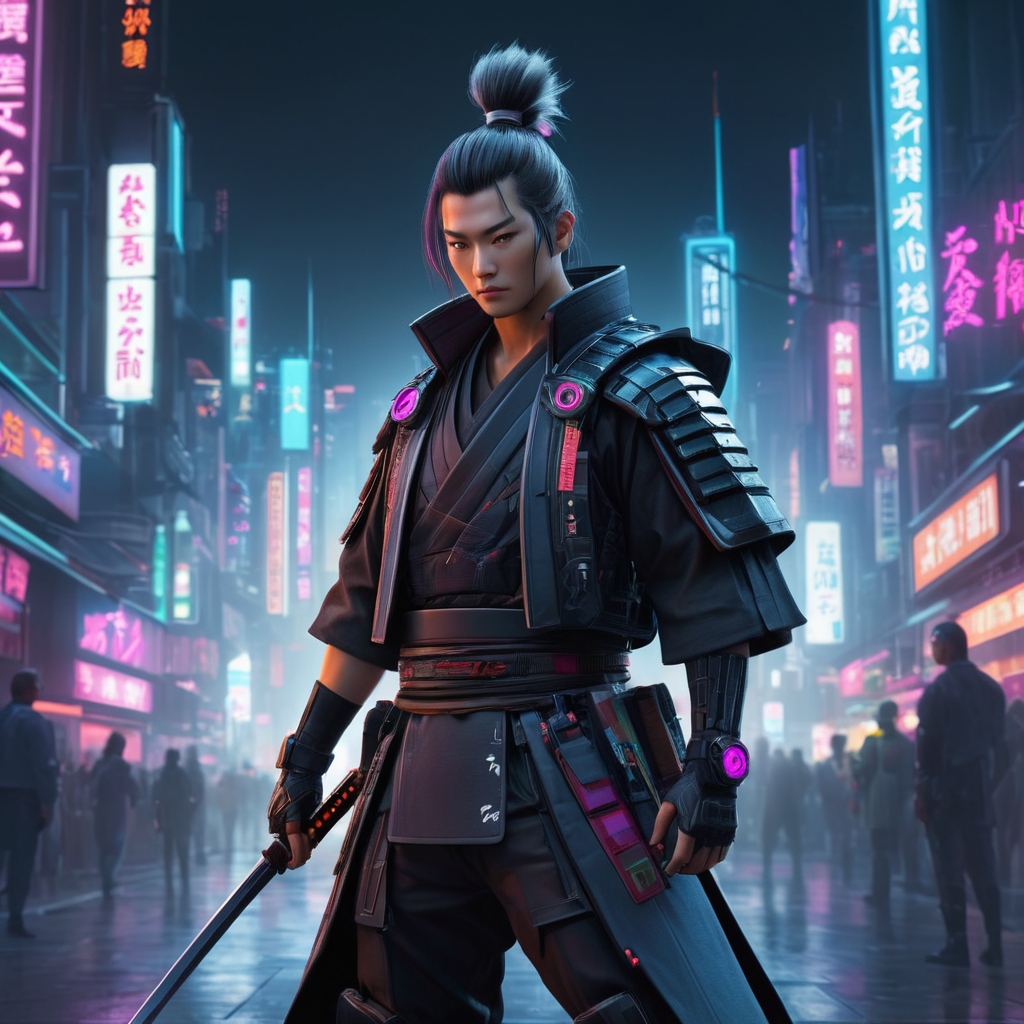
- "Portrait of a futuristic samurai, cyberpunk city backdrop, glowing neon lights, ultra-detailed, cinematic lighting."
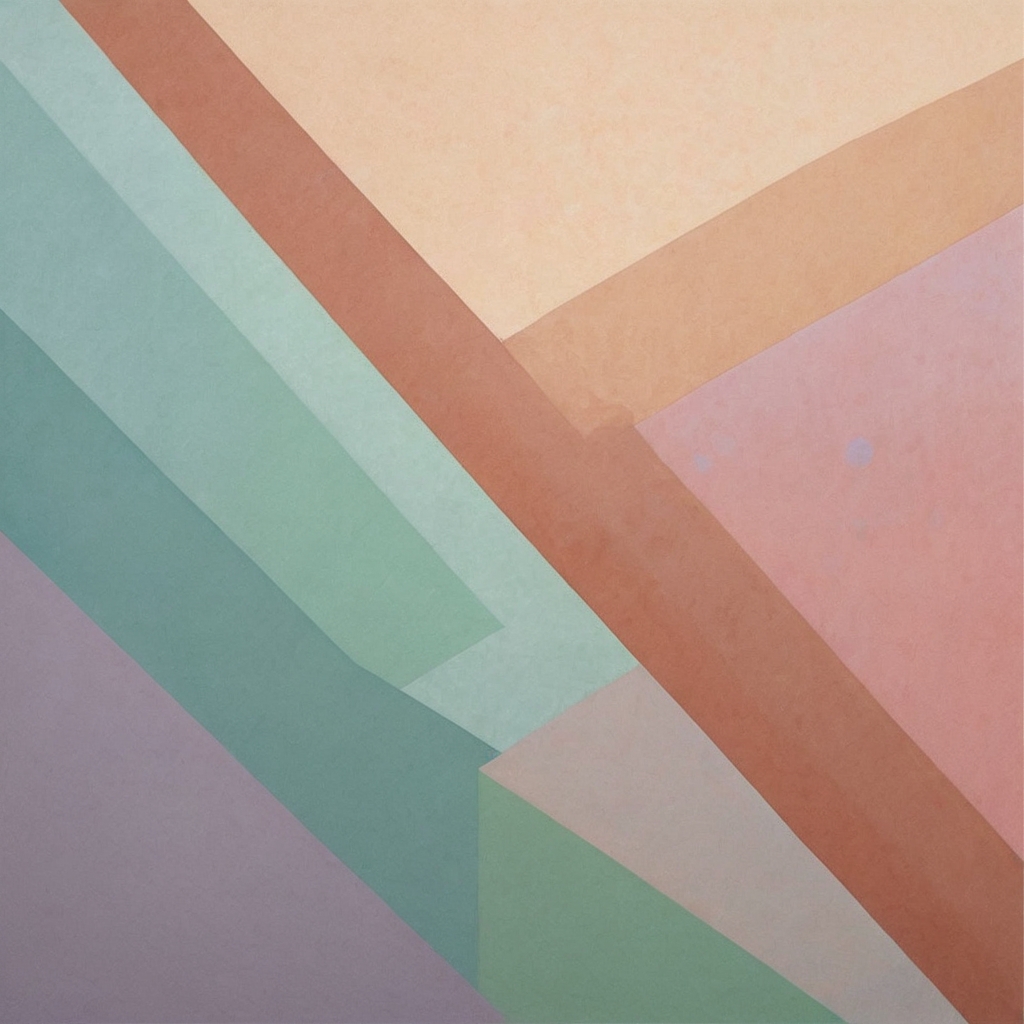
- "Minimalist abstract art, geometric shapes, pastel color palette, smooth gradients."
- "A retro sci-fi landscape, giant planets on the horizon, grainy film texture, 1970s art style."
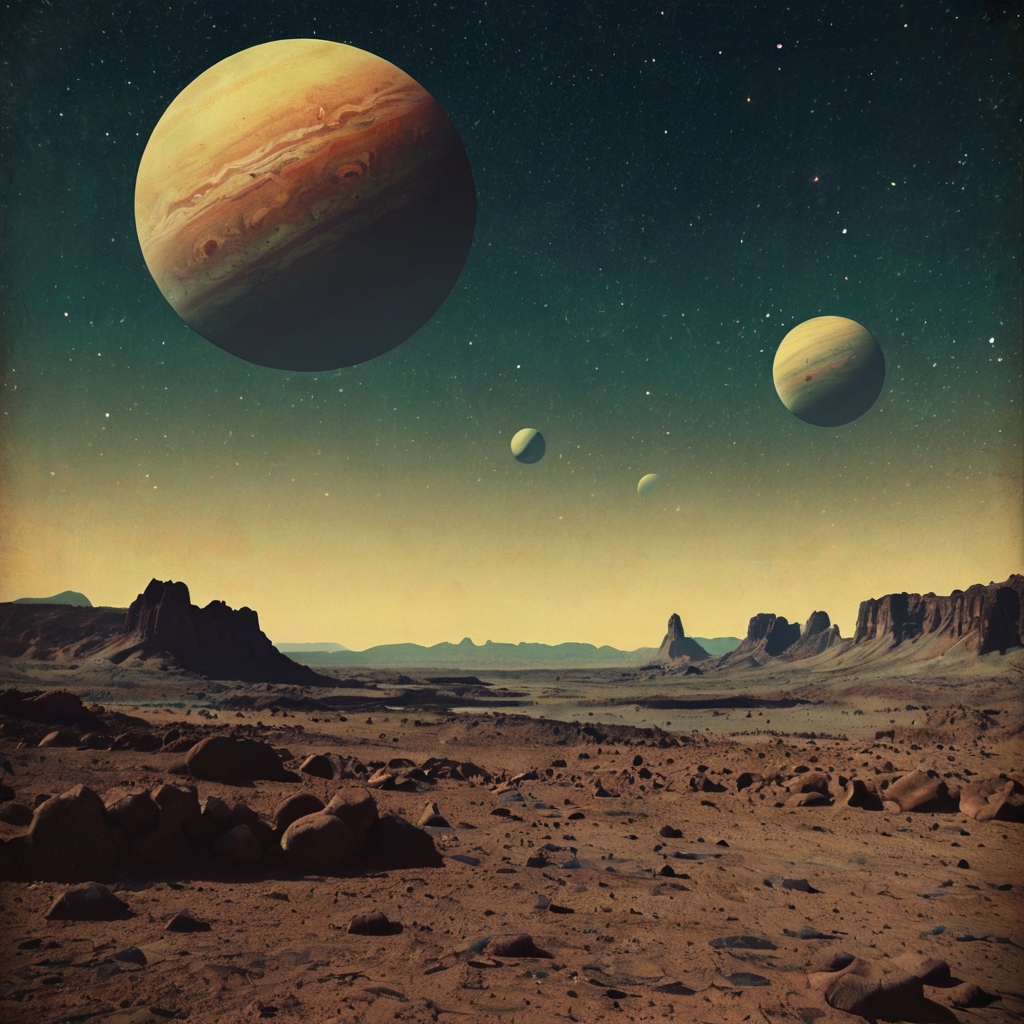
- "A fantasy castle floating among clouds, intricate architecture, golden hour, matte painting style."
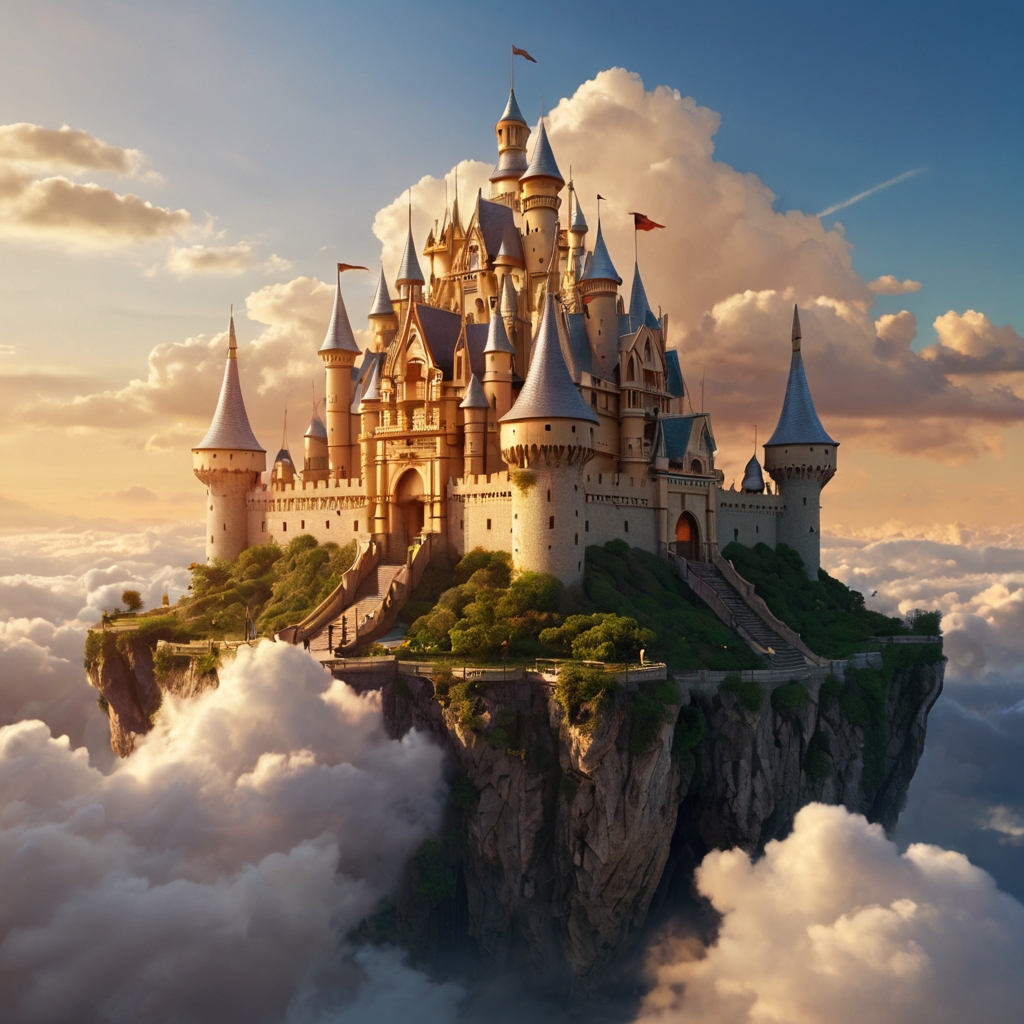
- "Hyper-realistic ocean waves crashing against jagged rocks, moody storm clouds, photorealistic rendering."
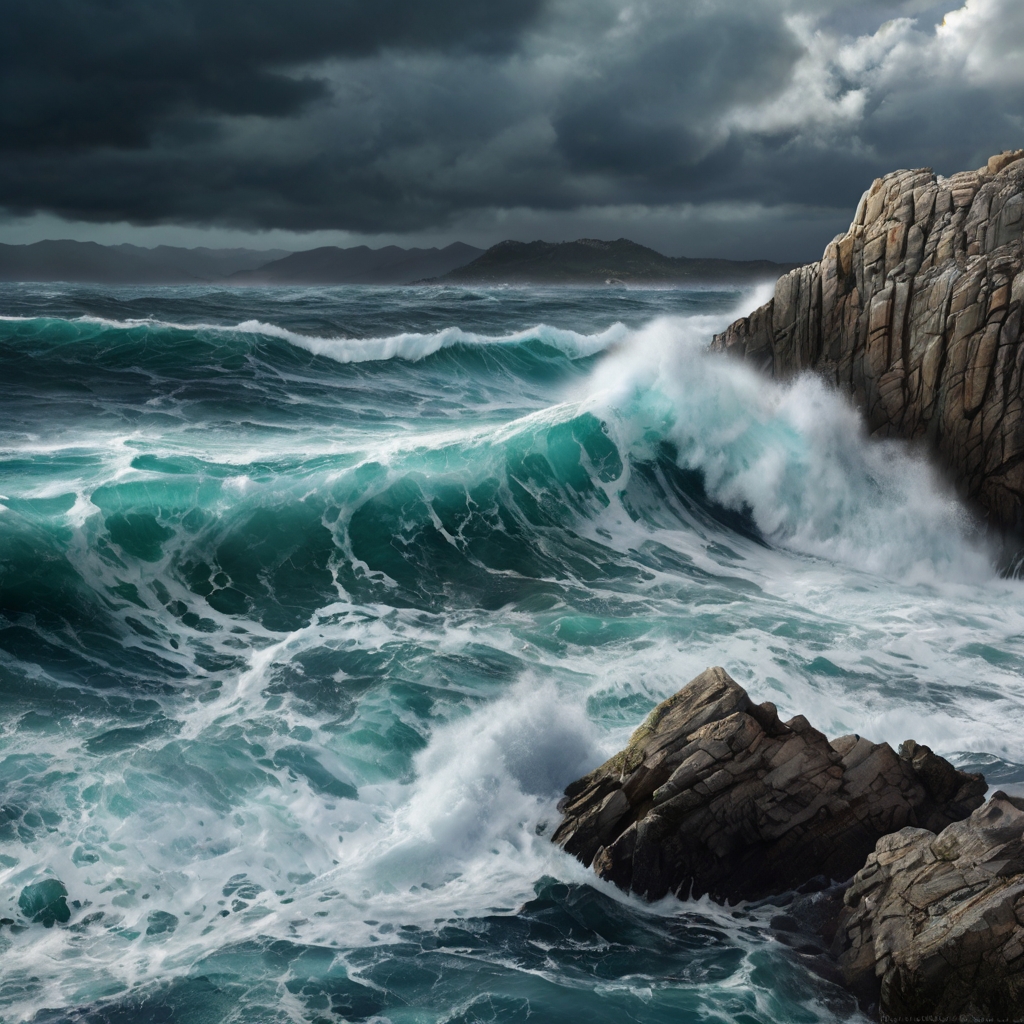
Best Practices for Writing Midjourney Prompts
- Be Specific – Vague prompts yield unpredictable results. The more detail you provide, the better Midjourney can interpret your vision. Avoid one-word prompts and aim for descriptive, evocative language.
- Use Reference Artists or Movements – Midjourney responds well to references like "in the style of Van Gogh" or "inspired by Art Deco." These contextual clues anchor your prompt in existing artistic styles, guiding Midjourney toward familiar aesthetics.
- Experiment – Run multiple prompts with slight tweaks to refine the outcome. Small adjustments to wording can yield drastically different results, so embrace iteration.
- Chaining Prompts – Combine results by referencing earlier generations. This method is useful for evolving your artwork step by step, layering new elements or reinterpreting previous outputs.
- Incorporate Emotion and Storytelling – Adding emotions like "serene," "chaotic," or "whimsical" breathes life into otherwise static images. Storytelling prompts help create dynamic scenes with narrative depth.
How Midjourney Prompts Solve Creative Blocks
One of the biggest hurdles artists face is creative block. Midjourney helps by sparking new ideas and directions, turning a rough concept into something visual. By feeding the AI a steady stream of unique prompts, you can bypass traditional barriers to creativity and explore concepts you might not have otherwise considered. It's an invaluable tool for content creators, freelance illustrators, and agencies looking to push their creativity further.
Conclusion
Mastering prompts opens new doors for AI-generated art. Take a moment to practice writing a few prompts using the tips from this guide. Experiment with different modifiers and artistic styles to see how small changes can lead to dramatically different results. By applying what you've learned immediately, you'll reinforce your skills and start creating stunning images with Midjourney right away. As Midjourney continues to evolve, understanding the nuances of prompt writing will remain a critical skill. Whether for personal projects or professional work, knowing how to direct AI is becoming just as important as wielding a brush or tablet. The fusion of artistic insight and AI-driven technology represents an exciting frontier for digital creators, with Midjourney serving as a powerful catalyst for bringing bold visions to life.
Related Posts
Claude Prompt Engineering Guide: Best Practices for 2026
The definitive Anthropic prompt engineering guide. Learn Claude's unique prompting techniques, XML tag formatting, chain...
Best Free ChatGPT Prompt Generators in 2026
The best free ChatGPT prompt generators in 2026 — no sign-up, no credit caps. Includes an honest comparison of four tool...
Grok Spicy Mode: What It Is and the Best Prompts to Use It
Grok spicy mode removes the hedging and lets Grok take actual positions — here's what it does differently, and 15 copy-r...