Color Palettes & Pantone – Mastering Vibrant Visuals in Midjourney
1. Why Colors Matter in Midjourney Prompts
Color isn't just a design element—it's a language that speaks directly to emotion and perception. In Midjourney, the colors you choose can shape mood, emphasize tone, and drive visual impact, making it a critical factor in crafting compelling imagery.
The Psychology Behind Color Choices
Colors trigger subconscious responses. Red evokes energy, passion, and urgency; blue signals calm, trust, and professionalism; yellow inspires optimism and joy. Green reflects growth and balance, while purple channels luxury and creativity. By leveraging this understanding, you can direct how viewers interact with and feel about your visuals. This is essential when crafting prompts aimed at specific reactions or evoking a desired atmosphere.
How Specifying Color Can Change Output
When you provide detailed color specifications like Pantone references or hex codes, the AI interprets these as precise visual cues, dramatically influencing the outcome. A prompt with "soft pastel blues" yields a vastly different result than one calling for "neon magenta splashes." Experimenting with these nuances empowers you to fine-tune compositions and explore dynamic aesthetic possibilities.
2. Basics of Color Theory & Application
To fully harness the power of color, you need a solid foundation in color theory. Midjourney responds effectively to classic color harmonies, allowing you to design with balance and contrast in mind. Mastering color interactions lets you enhance image quality and create compelling contrasts that captivate viewers.
Key Concepts to Know:
- Complementary Colors – Colors opposite each other on the color wheel (e.g., blue and orange). Perfect for high-contrast, bold designs. This contrast heightens visual interest and draws attention to focal points.
- Analogous Colors – Colors next to each other (e.g., green, blue, teal). These create harmonious, cohesive visuals that blend smoothly and are ideal for serene, balanced images.
- Triadic Colors – Three evenly spaced colors on the wheel (e.g., red, yellow, blue). This scheme balances vibrancy and visual interest, offering bold yet harmonious combinations.
- Monochromatic Colors – Variations of a single color (e.g., light blue to navy). This technique generates depth and sophistication without overwhelming the eye.
Prompt Example:
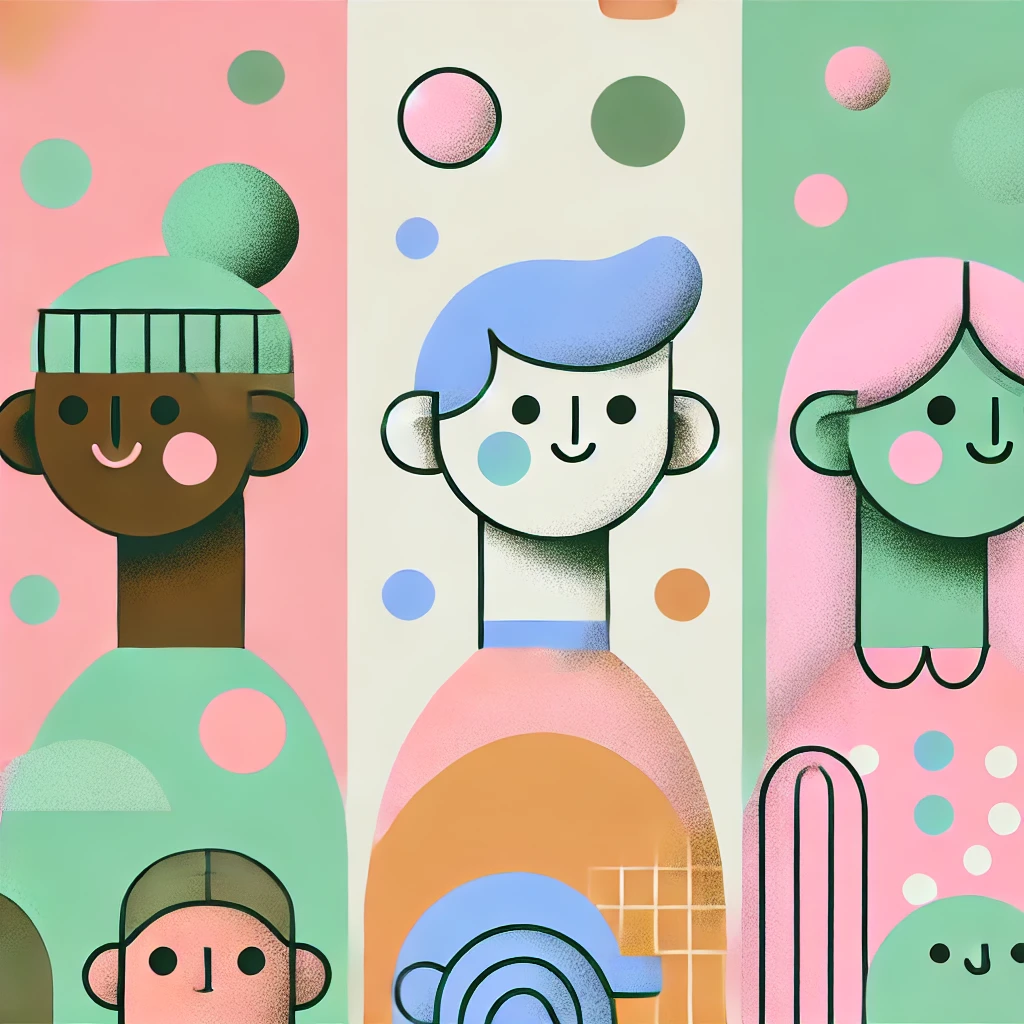
/imagine prompt: pastel triadic color scheme, cartoonish style characters, minimal background, ethereal glow
3. Using Pantone & Hex Codes in Prompts
For designers aiming for brand consistency, specifying Pantone colors or hex codes is a game-changer. Midjourney recognizes these inputs, offering highly accurate representations that align with existing branding or creative visions.
Techniques to Reference Colors:
- Use exact Pantone numbers in prompts for precision and brand alignment:
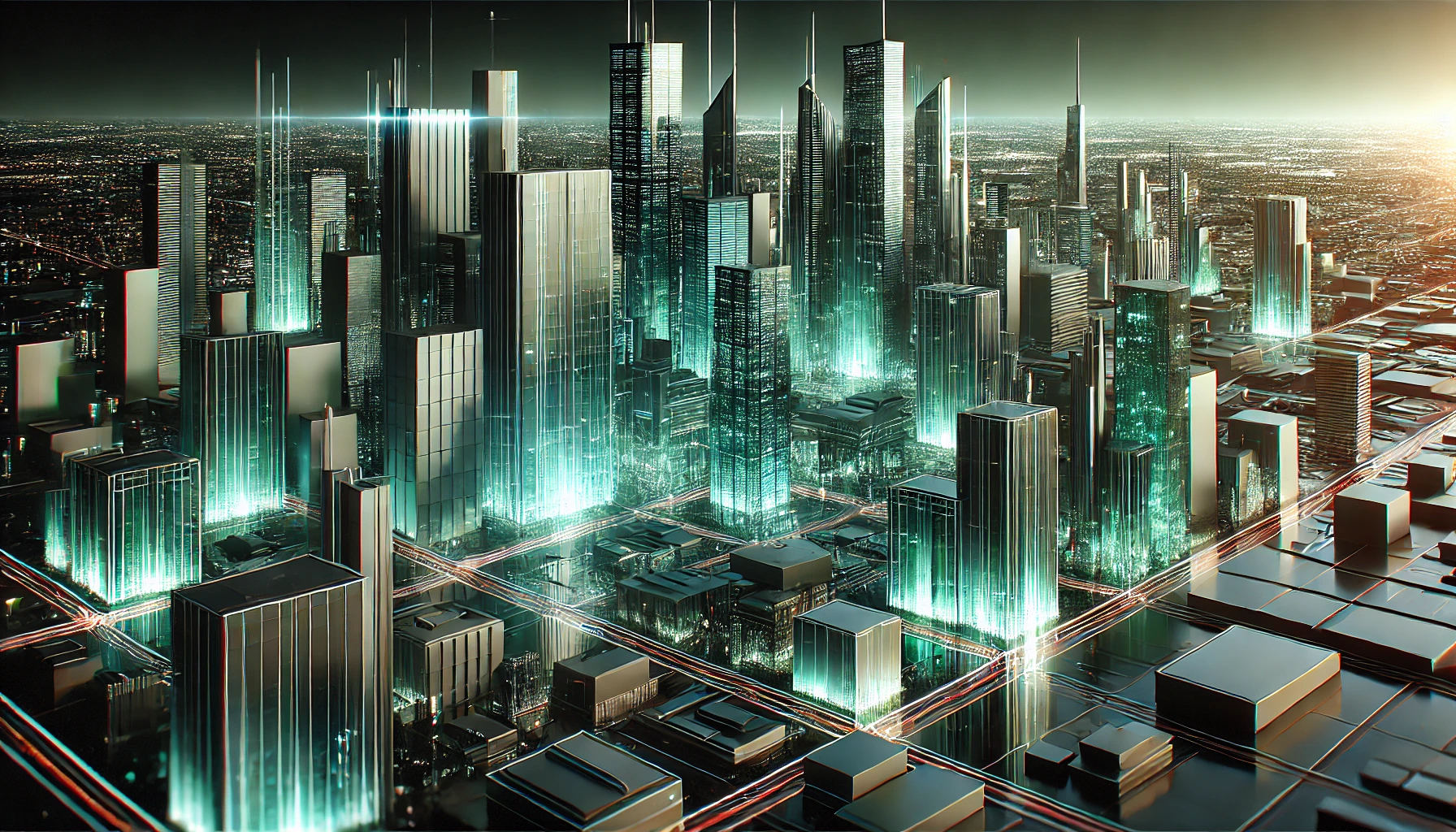
/imagine prompt: futuristic city skyline, Pantone 17-5641 Emerald accents, glowing reflections, dynamic perspective
- Apply hex codes to ensure meticulous color matching in key design elements:
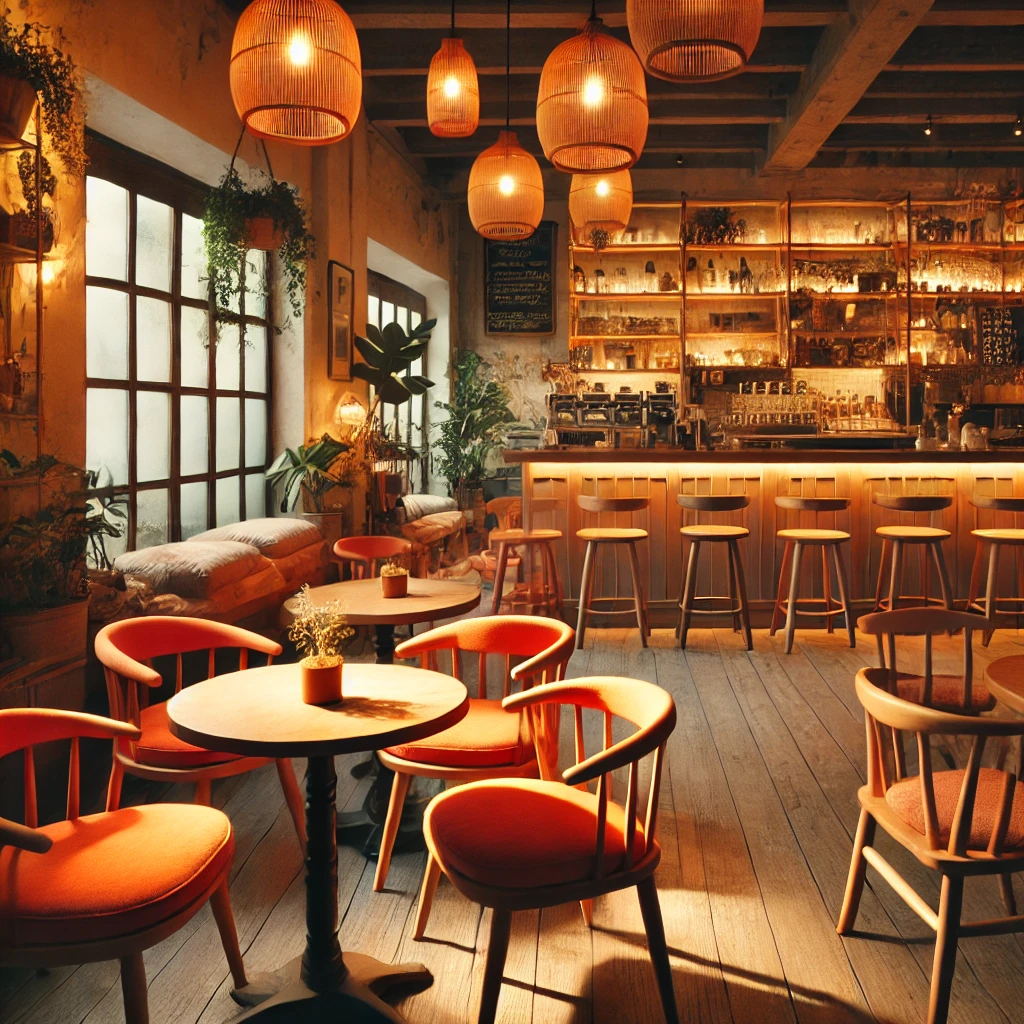
/imagine prompt: cozy cafe, #ff5733 chairs, warm lighting, inviting atmosphere, subtle shadows
- Combine Pantone and hex references to add layered complexity:
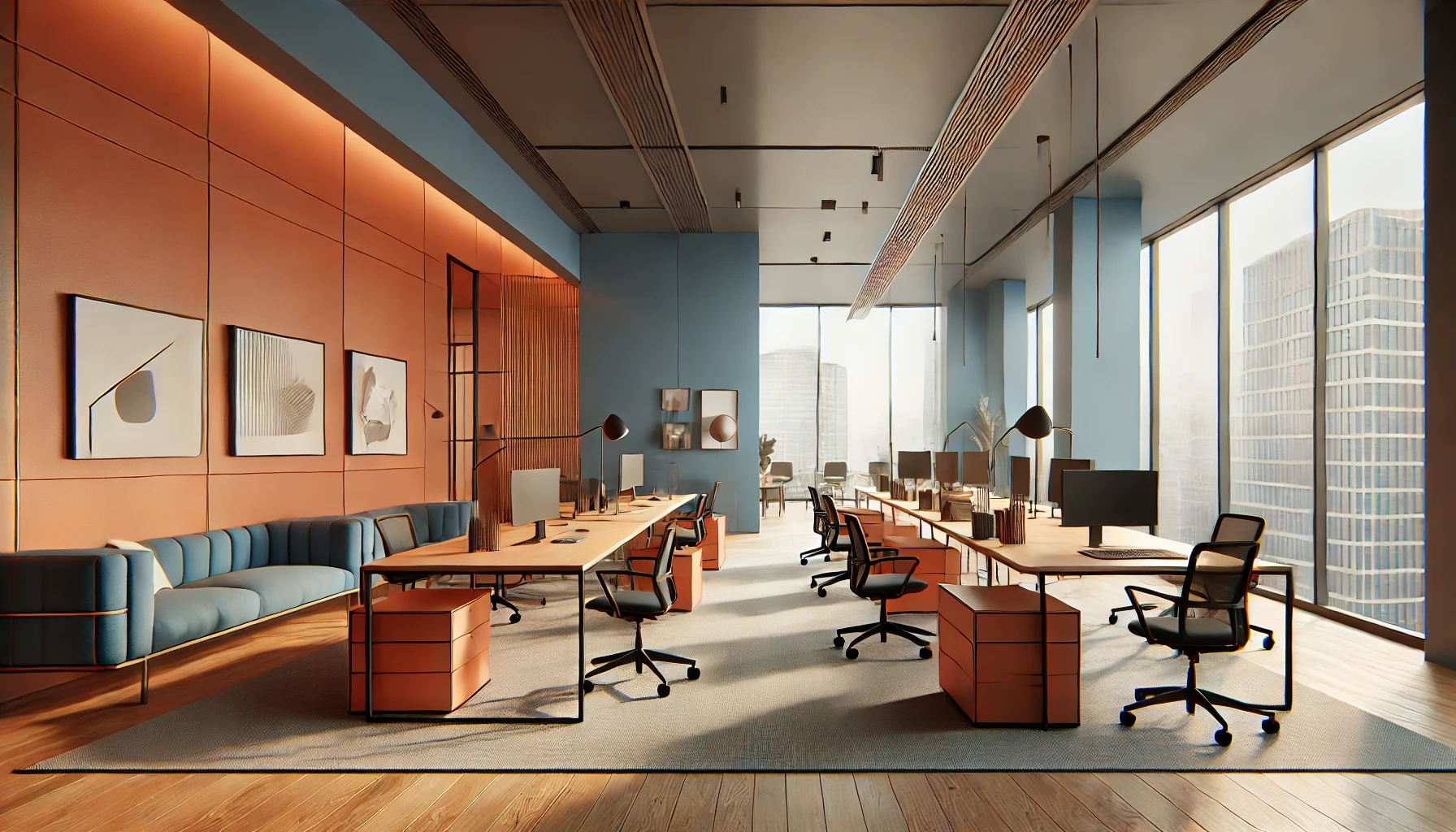
/imagine prompt: modern office space, Pantone 14-4121 Blue Bell walls, #f4a261 furniture, sleek and minimal aesthetic
4. Integrating Color Palettes With Other Prompt Elements
Combining color palettes with art styles, aesthetics, and techniques enhances the final output. By aligning color with the scene's mood or the era you're referencing, your work becomes more cohesive and visually striking.
Example:
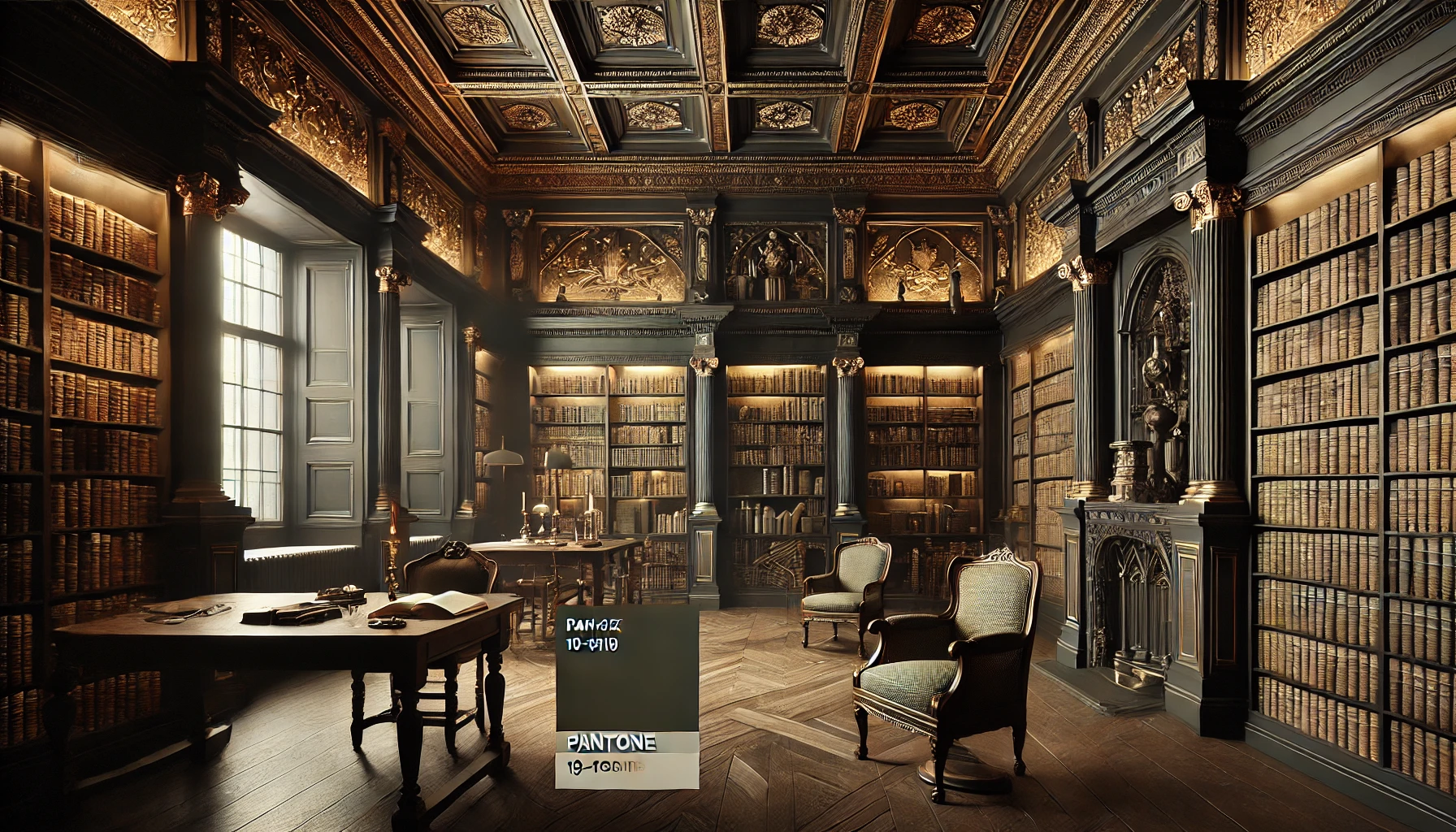
/imagine prompt: dark academia library, Pantone 19-0419 Olive tones, moody lighting, intricate details, aged paper textures
- Add color gradients or blended hues to enrich the image texture and atmosphere:
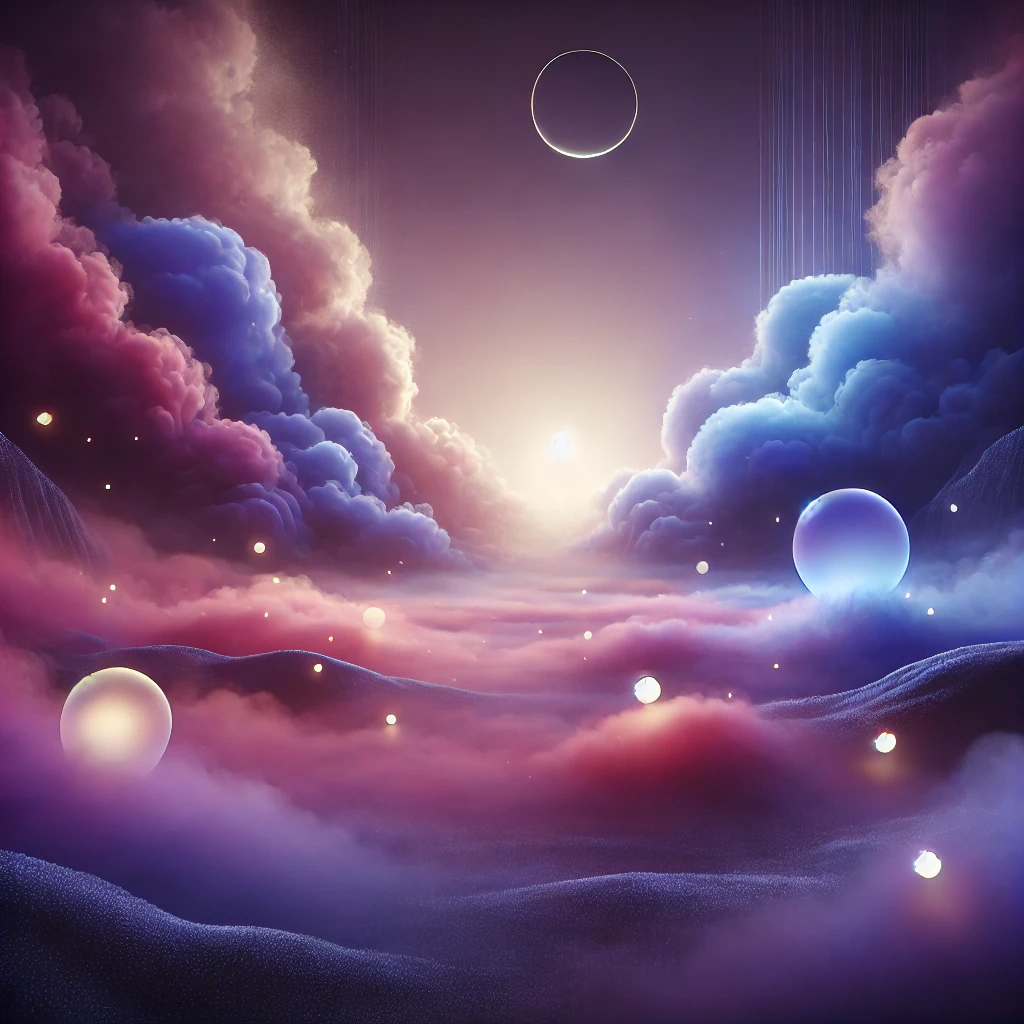
/imagine prompt: mystical landscape, gradient of deep purples to soft blues, glowing orbs, ethereal mist, dreamlike quality
5. Case Studies: Vibrant, Neon, Pastel, and Retro in Midjourney
Color palettes shift an image's entire style. Testing different options allows you to discover how subtle adjustments can drastically change the atmosphere and overall aesthetic appeal.
Case Study:
- Before: A sci-fi landscape in muted greys and blues.\
- After: The same landscape infused with vibrant neon pinks and purples. The mood shifts from bleak to energetic and futuristic.
Applying warm pastels can turn a cold, sterile environment into one that feels inviting and whimsical. Retro palettes featuring oranges, yellows, and teals add nostalgia, evoking memories of past eras. Each color adjustment redefines the emotional resonance of the final image.
6. Advanced Strategies: Iterative Color Tweaking
Creating the perfect color balance often requires refinement. Midjourney lets you iteratively tweak colors by adjusting prompts slightly. This process ensures your visuals match the exact tone and intensity you envision.
Tips for Refinement:
- Start with a broad color scheme, then narrow down through focused iterations:
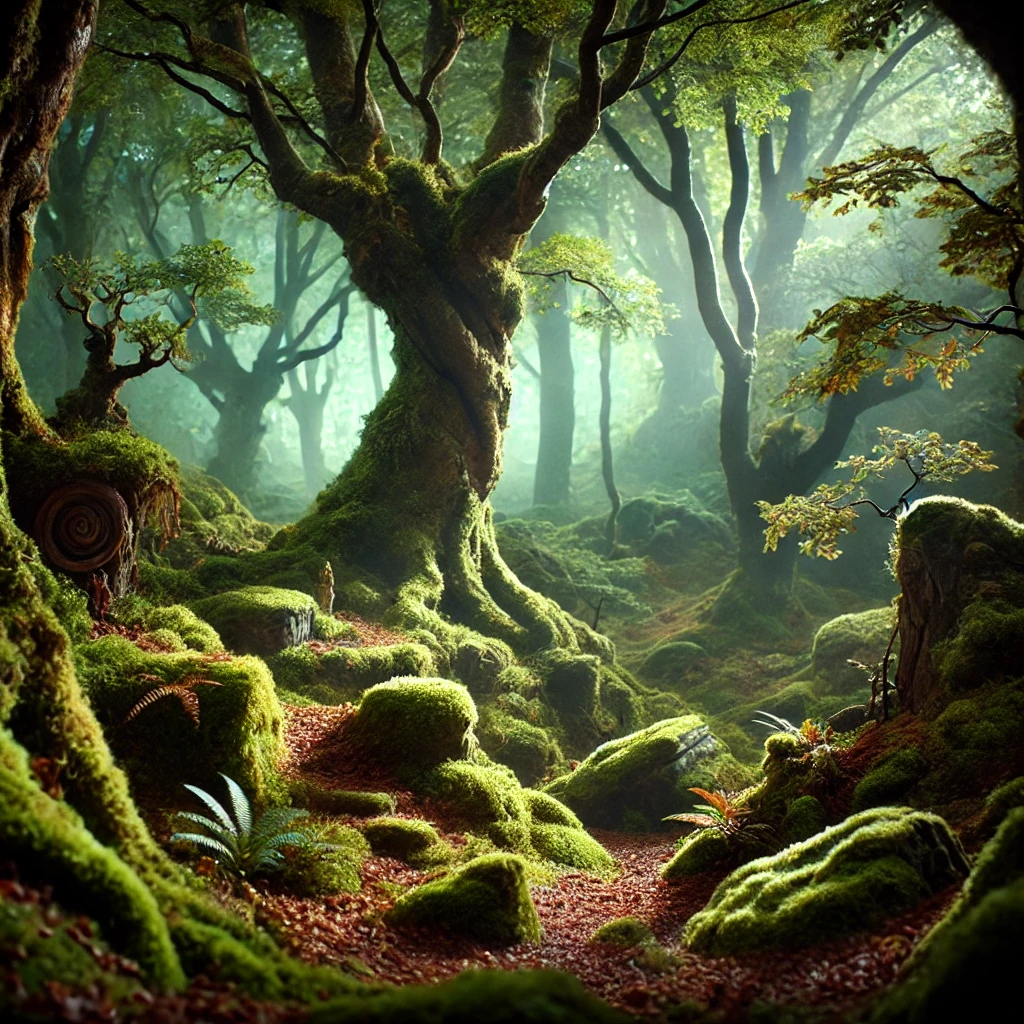
/imagine prompt: fantasy forest, earthy greens and browns, ethereal lighting, soft shadows
- Gradually adjust the shades and intensity for depth and accuracy:
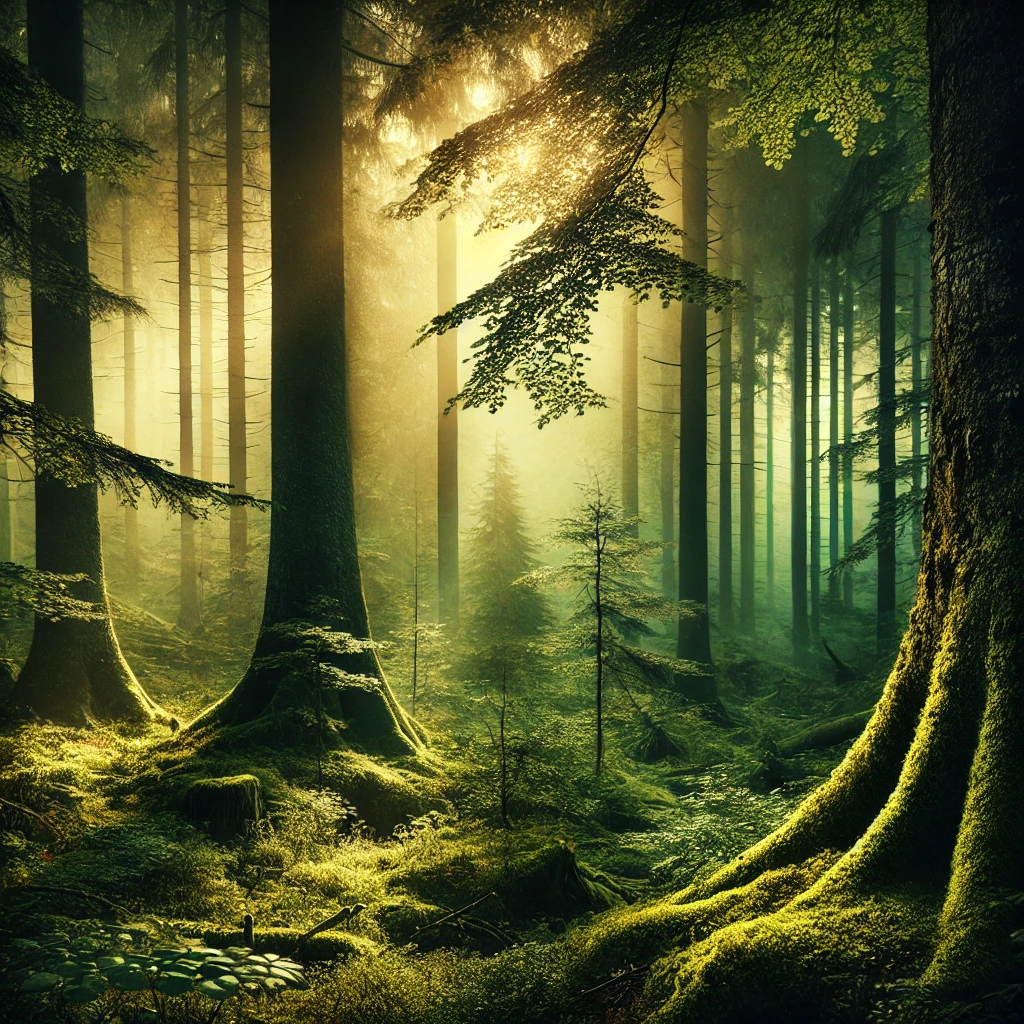
/imagine prompt: fantasy forest, deeper forest green tones, Pantone 7724C, soft golden highlights, mystical fog rolling in
- Use comparative prompts to evaluate multiple color schemes side by side:
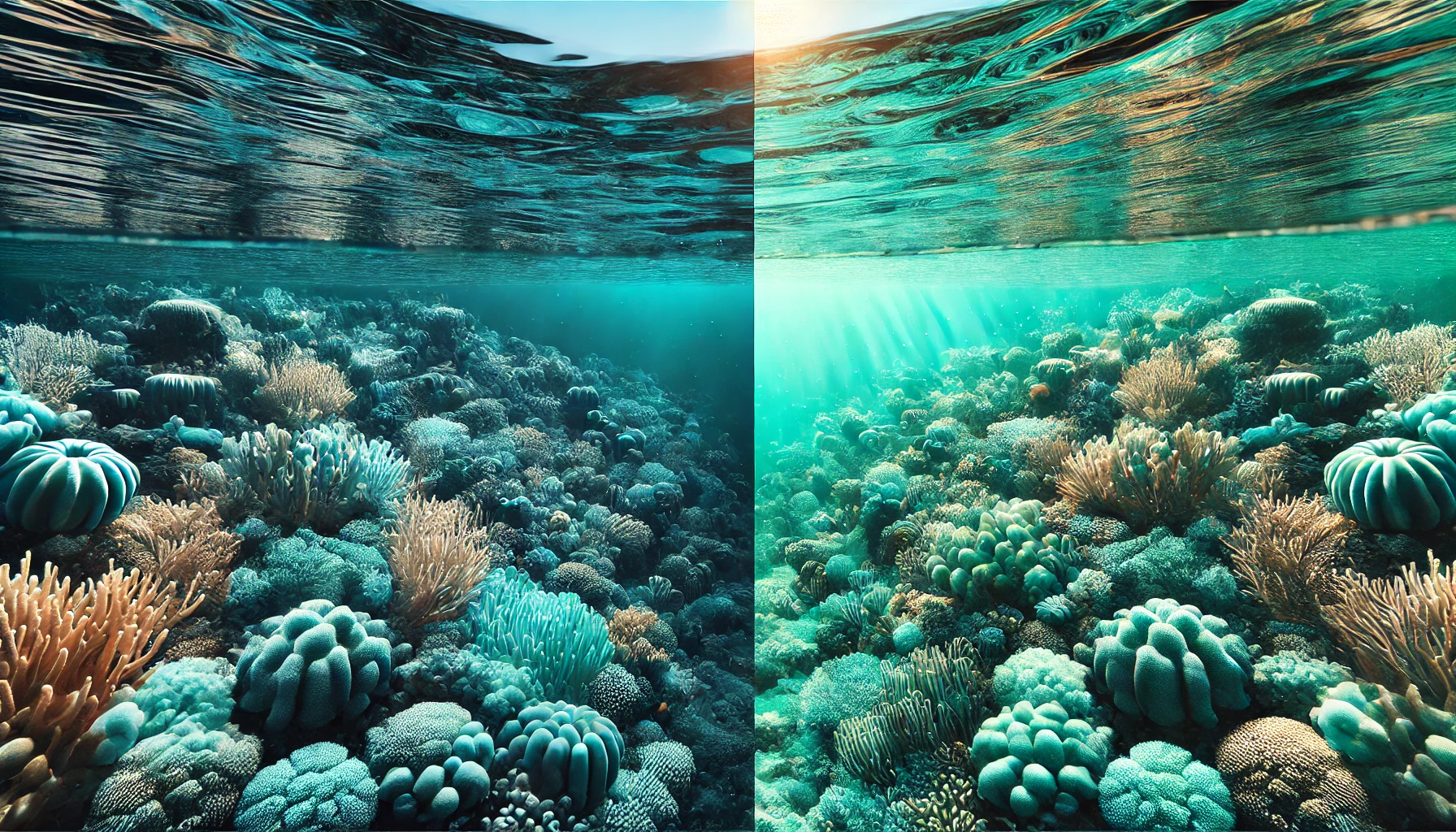
/imagine prompt: underwater scene, compare #008080 vs #40e0d0 tones, shimmering reflections, vibrant corals
Iterative tweaking allows you to perfect the color palette, ensuring the final output aligns with your artistic goals.
7. Conclusion
Mastering color palettes and Pantone references in Midjourney elevates your creative output by adding depth, emotion, and precision to your visuals. Understanding color theory and applying it thoughtfully in prompts allows you to create compelling and cohesive designs that resonate with your audience. Whether you are experimenting with vibrant neon shades, subtle pastels, or retro palettes, the ability to manipulate colors strategically expands your artistic potential. By integrating iterative tweaks and refining your prompts with specific hex codes and Pantone references, you achieve a level of customization that sets your work apart.
Ultimately, the interplay of color enhances storytelling, evokes emotion, and drives the impact of your final render. As you continue to explore and apply these techniques, your mastery over color in Midjourney will open up new realms of artistic expression and visual storytelling.
Related Posts
TikTok AI Slideshow Ideas: How to Make Viral Slideshows with AI-Generated Images
The best TikTok AI slideshow ideas for 2026 — 10 viral formats, step-by-step guide to making AI image slideshows, and re...
What Is AI UGC? The Complete Guide for 2026
AI UGC meaning explained: what AI UGC is, how it works, the best AI UGC tools (HeyGen, Arcads, Creatify), and how to wri...
Seedance 2 Prompts: The Complete Guide with Examples (2026)
Seedance 2 is ByteDance's most capable AI video model — but prompt quality determines everything. This guide covers the ...